The Soviet Pepsi Fleet: How a Soda Company Became a Naval Power
The Soviet Pepsi Fleet: How a Soda Company Became a Naval Power
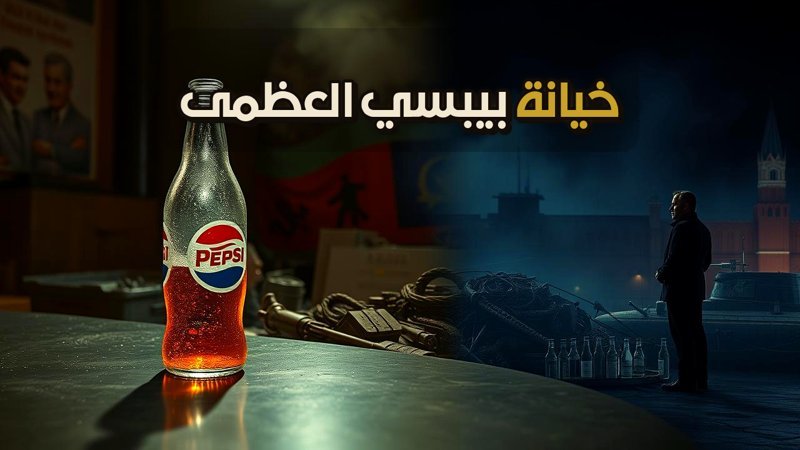
In the height of the Cold War, a simple marketing stunt at the 1959 American National Exhibition in Moscow turned into one of the most surreal economic sagas in history. When Pepsi became the first American consumer product to enter the Soviet market, it triggered a massive accounting crisis that forced the company to trade soda for warships.
Navigate Content
The Kitchen Debate and the Pepsi Breakthrough
During the famous ‘Kitchen Debate’ between Richard Nixon and Nikita Khrushchev, Pepsi executive Donald Kendall seized a unique opportunity. By offering Khrushchev a cup of Pepsi, he secured a foothold in the Soviet Union. However, this success was short-lived as the company faced a major hurdle: the Soviet ruble was non-convertible, leaving Pepsi with millions in profits that were effectively worthless outside the Kremlin.
The Barter Solution: From Vodka to Submarines
Unable to repatriate their earnings, Pepsi turned to an ancient economic practice: barter. The company initially accepted shipments of Stolichnaya vodka to sell in the U.S. to recoup their dollar value. As the Soviet economy neared collapse in 1989, the vodka supply could no longer cover the cost of expansion, leading to a truly bizarre deal:
- 17 Soviet submarines
- 1 destroyer
- 1 cruiser
- 1 frigate
A Corporate Naval Power
This deal briefly made Pepsi the owner of the sixth-largest navy in the world. While the vessels were largely aging scrap metal, the transaction highlighted the desperation of the Soviet government to maintain public order by providing consumer goods. It serves as a fascinating case study in how the hidden costs of scaling can lead to unexpected outcomes in global trade.
The End of an Era
The deal was so surreal that Donald Kendall famously joked to U.S. National Security Advisor Brent Scowcroft, ‘We are disarming the Soviet Union faster than you are.’ This moment marked a turning point where economic influence and the desire for Western luxuries began to outweigh the importance of military hardware, signaling the beginning of the end for the Soviet Union.
Frequently Asked Questions
Generated by AI Content Architect
About The Author