The Amarna Archive: How Clay Letters Exposed Ancient Royal Greed
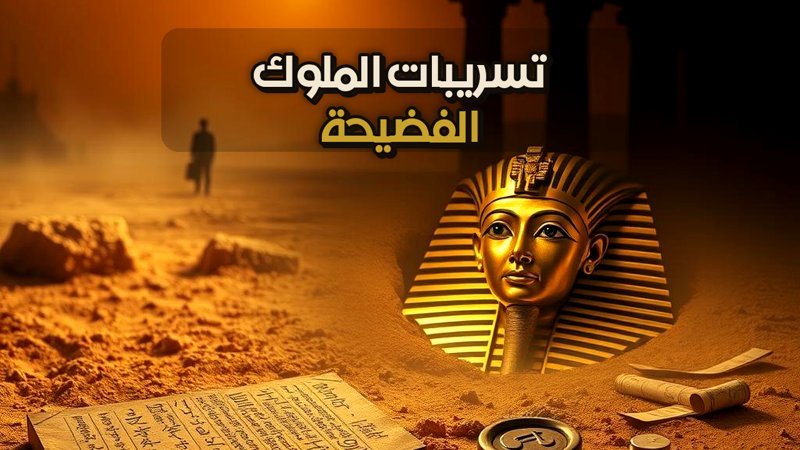
The Amarna Archive: How Clay Letters Exposed Ancient Royal Greed
In 1887, a simple discovery in Tell el-Amarna, Egypt, turned the historical world upside down. What began as a search for fertilizer led to the recovery of the Amarna Archive—a collection of clay tablets that did not glorify the Pharaohs, but instead exposed the raw, unvarnished greed and petty politics of the ancient world’s most powerful rulers.
Navigate Content
From Worthless Junk to Diplomatic Gold
Initially dismissed as forgeries because they lacked the grand, sanctified tone of temple reliefs, these tablets were eventually recognized as a genuine diplomatic archive. Unlike the idealized images of kings as colossal, infallible figures, these letters reveal the real human side of ancient rulers—men driven by insecurity, fear, and material gain. For more on how historical narratives are often manipulated, see The Vulnerability of High Ego: How Leaders Fall for Poisoned Praise.
The ‘Big Five’ and the Akkadian Language
The archive reveals that the ancient Near East was not a collection of isolated kingdoms, but an exclusive club of five major powers: Egypt, Babylon, Mitanni, Hatti, and Assyria. Interestingly, all diplomatic correspondence was conducted in Akkadian, the lingua franca of the era. This system mirrors modern global diplomacy, where a common language is essential for business and negotiation. To understand how communication shapes power dynamics, explore The Science of Virality: Engineering Content with AI.
The Code of Brotherhood and the Obsession with Gold
The letters are filled with the term ‘brother,’ which served as a political code to establish equality between rulers. However, beneath the cordiality lay a singular, ruthless obsession: gold. The kings were constantly bickering over the quality and quantity of gifts.
- Burna-Buriash II of Babylon famously complained about receiving wood covered in thin gold.
- Kings frequently demanded more gold to cover the ‘travel expenses’ of their messengers.
- Egypt acted as the region’s ‘central bank,’ using its vast resources to keep other kings dependent and compliant.
The Tragedy of the Forgotten Vassals
While the ‘Big Five’ were busy fighting over weights of gold, smaller rulers were left to fend for themselves. Rib-Hadda of Byblos represents the tragic side of this era—a loyal vassal whose desperate pleas for rescue were ignored by a Pharaoh preoccupied with material wealth and internal politics. His story serves as a stark reminder of the human cost of imperial indifference, a theme often explored in The Lost City of Iram: Did the Desert Swallow a Civilization?.
Frequently Asked Questions
Generated by AI Content Architect
About The Author