The Legacy of Mercury and Excavators in Ghana’s Gold Mining Crisis
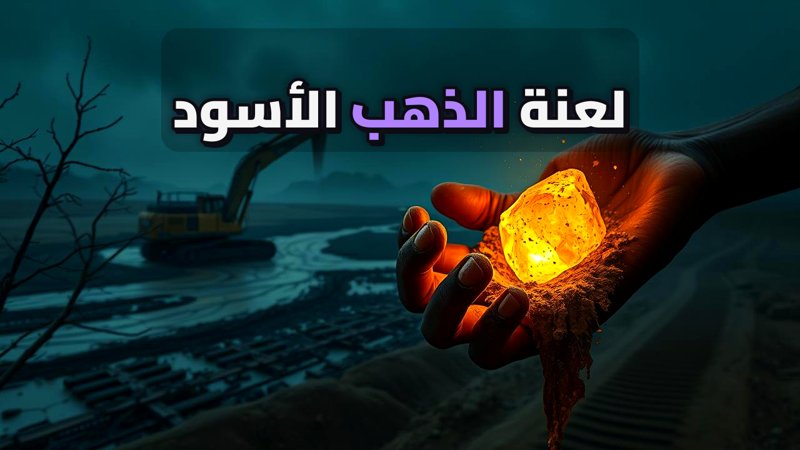
The Legacy of Mercury and Excavators in Ghana’s Gold Mining Crisis
If you were to ask any elderly person in Ghana about their memories of the Pra River, they would tell you about water so clear you could see fish swimming through it. Today, that image has been completely erased, replaced by a dark, stagnant waterway. While Ghana remains Africa’s top gold producer, this wealth has come at a devastating cost to the nation’s environment and drinking water.
Navigate Content
The Rise of ‘Galamsey’ and Environmental Destruction
The secret behind this severe ecological crisis is ‘Galamsey’, a term describing rampant and illegal small-scale mining operations. Once a matter of minor environmental concern, it has evolved into a massive, organized system of sabotage. For a deeper look at how resources and environments are exploited globally, you might find parallels in issues like China’s Ghost Cities: Urban Planning Masterpiece or Global Debt Trap?. In Ghana’s forests, simple shovels have been replaced by massive excavators that alter the geography in days, turning rivers into heavy, toxic sludge.
The Poisonous Process: Mercury and Cyanide
Illegal miners rely heavily on toxic substances to extract gold from dirt. The primary tool is mercury, which miners mix with bare hands into excavated sludge. Key hazards include:
- Trembling hands: Youths in their twenties show neurological symptoms from mercury exposure.
- Open-air vaporization: Workers inhale toxic fumes directly as mercury is burned off.
- Soil and water contamination: Residues seep into local watercourses, accompanied by dangerous chemicals like cyanide.
The Collapse of Water Treatment and Cocoa Farming
The ecological fallout extends far beyond mining camps. Water treatment plants are failing because their filters cannot process the thick ‘silt soup.’ Furthermore, Ghana’s iconic cocoa industry is under severe threat. Farmers face agonizing choices as gold brokers offer fast cash, while neighboring excavations destroy the land and poison the water supplying their crops. The crisis poses a direct threat to the food and water supply of the entire nation.
A Complex Web of Interests and State Intervention
Despite government attempts to intervene—such as deploying the military to burn equipment—the mines quickly reopen. This persistence is fueled by a complex web of local and foreign interests. Gold is extracted, smuggled abroad, and profits line specific pockets while ordinary citizens turn on their taps to find no clean water. Much like historical accounts of toxic exploitation explored in The Silent War of Toxins: How Ancient Armies Used Nature as a Weapon, the consequences of chemical contamination are profound and long-lasting.
Frequently Asked Questions
Generated by AI Content Architect
About The Author