
How a Wood and Paper Kite Defeated Cold War Radars
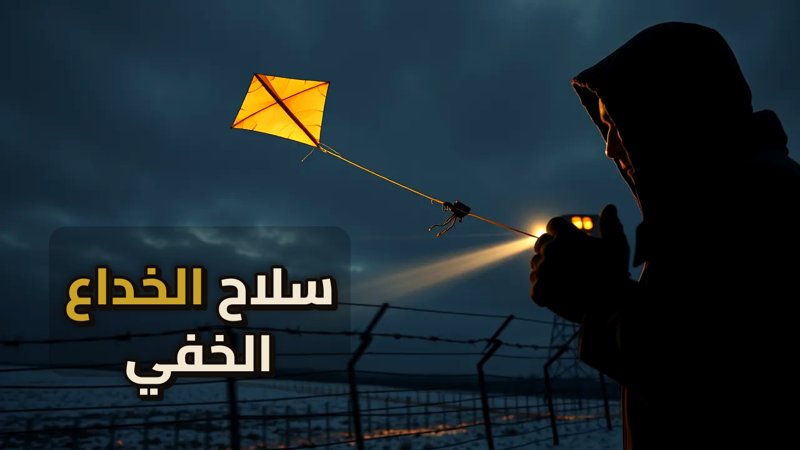
How a Wood and Paper Kite Defeated Cold War Radars
When you look up at the sky and see a paper kite drifting with the wind, the first thing that comes to mind is childhood and peace of mind. However, during the years of war and tension between the Eastern and Western blocs, that thin string held state secrets and the fate of people watching radars that were unable to detect scraps of flying cloth and wood.
Navigate Content
The Invisible Spy Over Divided Borders
Imagine the scene: cold weather and an overcast sky over the dividing border line in Berlin or the Demilitarized Zone between the Koreas. Security was extremely tight with barbed wire, searchlights, and alert guards, making it practically impossible for anyone to cross undetected. Yet, a paper kite moved quietly above all these barriers, carrying a precise camera to photograph secure military fortifications.
Why Cold War Radars Were Blind to Kites
In the 1950s and 60s, radars were designed to pick up fast, massive objects made of metal, such as aircraft and missiles. Because the kites were made of lightweight wood, paper, or silk thread, they left no trace on the screens. For deeper insights into how technology and human perception intersect under extreme pressure, you might explore The Third-Party Enigma to understand psychological limits.
The Human Element: Freezing Fingers and Steady Nerves
Operating these surveillance kites required extreme physical endurance and mental fortitude. Agents had to stand for hours in freezing winter snow without gloves so they wouldn’t lose sensation in their fingertips. They relied entirely on the tension and movement of the thin string to control the camera’s stability and prevent blurry, worthless photos.
The Close Call of 1963
On a cold autumn night in 1963 in a quiet Berlin, an operation aimed at photographing Soviet military barracks faced a sudden crisis when the wind died down completely. The taut string slackened abruptly, and the kite began descending toward the security zone, testing the operators’ nerves to their absolute limit.
Frequently Asked Questions
Generated by AI Content Architect
About The Author