The Two Moons Enigma: How the Dead Sea Scrolls Changed History
The Two Moons Enigma: How the Dead Sea Scrolls Changed History
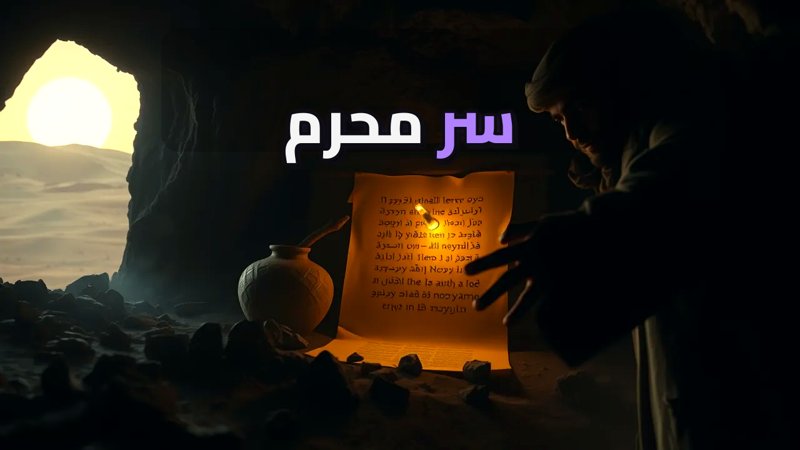
Imagine an arid desert beneath a scorching sun, where a shepherd accidentally discovered a treasure buried for two thousand years. It was neither gold nor jewelry; rather, it was something far more mysterious—a profound secret sealed away for centuries, known today as the Dead Sea Scrolls.
Navigate Content
The Accidental Discovery at Qumran
In 1947, near the Dead Sea in an area called Qumran, a Bedouin shepherd named Muhammad al-Dhib was searching for a stray goat. While walking among the rocks, he noticed a small cave opening. Driven by curiosity, he went inside, hoping to find his missing animal. Instead, he found ancient, neatly arranged clay jars containing leather and papyrus scrolls. For a deeper look into how groundbreaking discoveries shape our knowledge, see related historical breakthroughs like The Rosetta Stone: How a Single Discovery Decoded Ancient Egyptian.
From Worthless Paper to Marketplace Curiosity
The shepherd had no idea of the immense value in his hands. To him, the rolled-up manuscripts were merely old paper of little worth. Taking them to the Bethlehem market, he tried to sell them to merchants and antiquities dealers, who initially viewed them as worthless. They were passed from hand to hand in bustling markets, treated like ordinary ancient artifacts before eventually reaching the hands of shrewd dealers like Khalil Iskander Shahin, known as ‘Kando’.
Recognizing the True Historical Value
As the manuscripts changed hands, certain individuals began to perceive a distinct value. Mar Athanasius Yeshue Samuel purchased some of the scrolls, sensing an extraordinary story. Eventually, Professor Eleazar Sukenik of the Hebrew University saw a fragment and immediately understood that these were vitally important historical and religious documents—potentially the oldest surviving written copies of familiar texts.
Scientific Verification and Organized Excavation
At the American Schools of Oriental Research, a young researcher named John Trever photographed the manuscripts with exceptional clarity. This crucial scientific step allowed experts worldwide to verify their authenticity. Following extensive reviews and systematic archaeological expeditions led by figures like Father Roland de Vaux, scientists confirmed the extreme antiquity of the scrolls, changing our understanding of ancient texts forever.
Frequently Asked Questions
Generated by AI Content Architect
About The Author