The Carrington Event: When Solar Storms Stopped Telegraphs
The Carrington Event: When Solar Storms Stopped Telegraphs
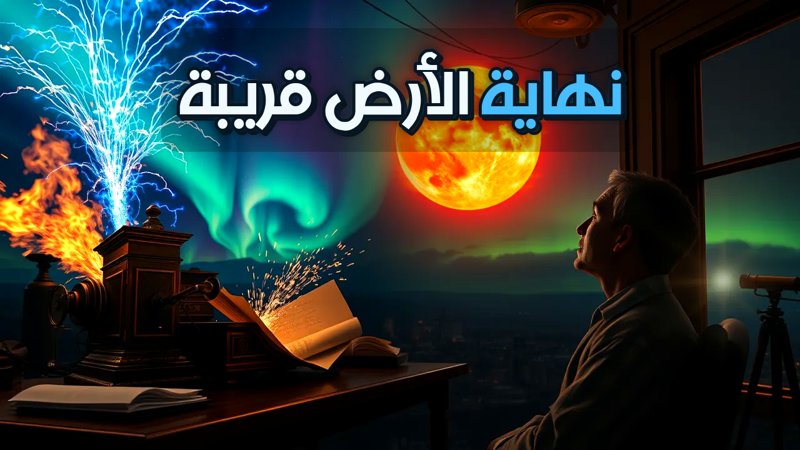
On a September night in 1859, humanity’s fledgling technological age was brought to a sudden halt by an unprecedented cosmic force. The telegraph network—the sole technology interconnecting continents at the time—began to malfunction erratically, sparking, overheating, and operating even when completely disconnected from its batteries.
Navigate Content
The First Witness to a Solar Anomaly
On the morning of September 1, 1859, English amateur astronomer Richard Carrington was performing his routine observations of sunspots. Suddenly, he witnessed two patches of exceptionally bright white light amidst the darkness of the sunspots. This intense flare lasted only five minutes, but it signaled a colossal energy explosion—a massive cloud of charged particles unleashed directly toward Earth.
A Rapid and Violent Cosmic Assault
Normally, solar particles take days to reach Earth, but this eruption was extraordinarily violent. A mere 17 hours were sufficient for the energy to traverse space and strike our atmosphere. Similar cosmic mysteries, such as The Tunguska Blast Mystery: The 1908 Siberian Catastrophe, demonstrate how unpredictable and devastating external forces can be to our planet.
Skies Ablaze and Autonomous Telegraphs
When the energy struck, the effects were both visual and electrical:
- Global Auroras: Skies in Cuba and Hawaii illuminated with vibrant reds and greens.
- False Dawns: Miners in Colorado woke up at 1 AM, preparing breakfast because the ambient light matched daylight.
- Ghost Currents: Telegraph offices in Paris and London reported that machines kept running even after batteries were disconnected.
The Vulnerability of Modern Infrastructure
The Carrington Event forces us to reexamine how vulnerable our interconnected world is to solar activity. Just as ancient civilizations faced sudden environmental disruptions—explored in tales like The Mystery of the Sun’s Disappearance and the Volcano Behind Cleopatra’s Fall—our modern grid remains at the mercy of volatile stellar reactions.
Frequently Asked Questions
Generated by AI Content Architect
About The Author