Altamira Caves: The Tragic Discovery of Prehistoric Art
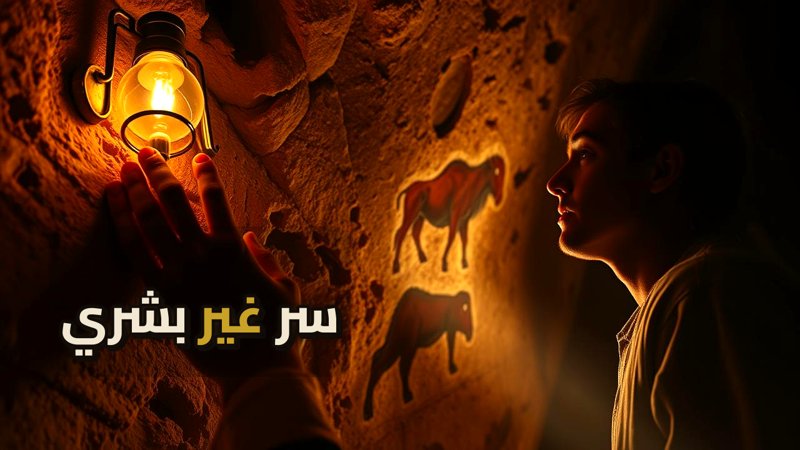
Altamira Caves: The Tragic Discovery of Prehistoric Art
The discovery of the Altamira Cave paintings in northern Spain should have been celebrated as one of the greatest archaeological breakthroughs in human history. Instead, it became a tragic tale of scientific arrogance, false accusations, and a man’s ruined reputation. This is the story of how an amateur archaeologist and his eight-year-old daughter uncovered a masterpiece tens of thousands of years old.
Navigate Content
The Accidental Discovery by an Eight-Year-Old
In 1879, amateur archaeologist Marcelino de Sautuola explored the Altamira Cave with his young daughter, Maria. While Marcelino searched the dirt floor for stone tools and bone fragments, Maria looked upward toward the ceiling. Suddenly, she called out, ‘Papa, look! There are bulls!’ Initially skeptical, Marcelino shone his flashlight upward and stood paralyzed. What they found was not a random scribble, but a breathtaking, masterfully executed mural of a herd of bison.
Brilliant Techniques of Stone Age Artists
The prehistoric artists demonstrated an astonishing level of sophistication. They utilized natural pigments derived from burnt charcoal (black) and ochre mixed with animal fat (red). More impressively, they incorporated the uneven contours and rock protrusions of the cave ceiling into their illustrations, giving the bison a three-dimensional, sculptural quality that seemed to move in the wavering candlelight. Similar prehistoric wonders can be explored across ancient sites, much like the rock art found in Tassili n’Ajjer: The Ancient Sahara Writing Discovery.
Scientific Arrogance and Accusations of Forgery
When Marcelino presented his findings at the 1880 Lisbon Congress of Archaeology, he met fierce hostility. The scientific community was strictly wedded to the dogma of linear artistic evolution, believing primitive humans lacked the capacity for such advanced art. Rather than re-evaluating their theories, prominent academics like Émile Cartailhac dismissed the discovery as a hoax. They falsely accused Marcelino of hiring a contemporary artist to forge the paintings for personal fame.
A Legacy Vindicated Too Late
The crushing social and psychological pressure devastated Marcelino de Sautuola. He spent his final years carrying the stigma of a fraud and passed away in 1888 at age 57 without ever hearing an apology or seeing his name cleared. Only years later, in the 1890s, did new archaeological evidence emerge in France that ultimately proved the authenticity of the Altamira paintings, forcing the academic world to finally acknowledge the profound artistic genius of prehistoric humans.
Frequently Asked Questions
Generated by AI Content Architect
About The Author