Tassili n’Ajjer: The Ancient Sahara Writing Discovery
Tassili n’Ajjer: The Ancient Sahara Writing Discovery
In the heart of the Sahara, amidst the Tassili n’Ajjer mountains in Algeria, an incredible discovery changed our understanding of human communication. When French explorer Henri Lhote encountered rock paintings and geometric symbols in 1956, it sparked a quest to uncover whether this harsh desert was once home to a thriving civilization.
Navigate Content
Into the Heart of the Sahara
The expedition to Tassili n’Ajjer was fraught with extreme challenges. Researchers and artists braved scorching heat, sandstorms, and water scarcity, relying on camels to reach the remote Jabbaren area. Their mission was not to find gold, but to seek connections to ancient humans who lived there millennia ago. Similar archaeological and historical puzzles have baffled explorers worldwide, much like the architectural enigmas found in places such as The Mystery of Nan Madol: The Stone City on the Water.
From Spontaneous Art to an Organized Writing System
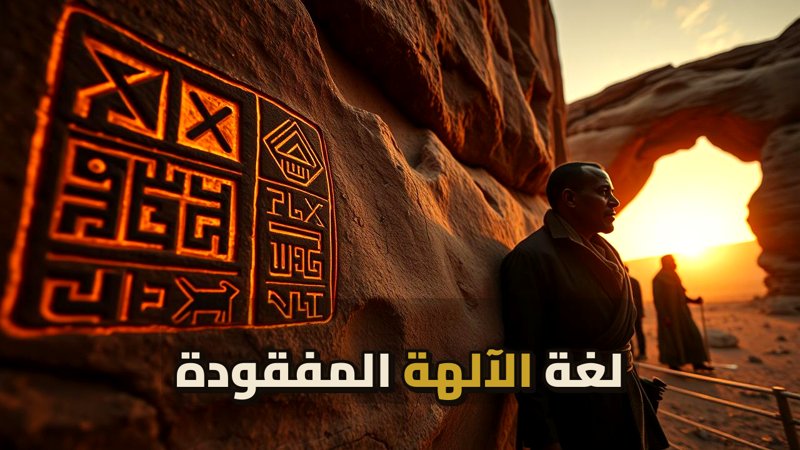
Initially, the expedition noted simple hunting scenes, giraffes, and elephants. However, a closer look revealed recurring, precise symbols like bisected circles, parallel vertical lines, and dots. These markings were independent of the animal drawings, shifting the team’s perspective from viewing them as mere decoration to recognizing an organized communication system.
The Living Memory of the Tuareg
The true breakthrough came when the team compared these ancient markings to the Tifinagh alphabet used daily by the Tuareg people. The Tuareg served as readers of the message, revealing that the language did not become extinct. Instead, it persisted through generations in the isolation of the desert. The survival of ancient traditions and unique cultures often mirrors other fascinating anthropological studies, such as Zouhun: The Mosuo People and the Mystery-of-Walking-Marriage.
A Language of Water and Vegetation
Beneath the desert sands, geologists discovered evidence of the ‘African Humid Period,’ featuring dry valleys that were once flowing rivers and massive lakes. The rock art of hippopotamuses, elephants, and aquatic environments confirmed that these characters documented a lush, green Sahara before it transformed into an arid landscape.
Frequently Asked Questions
Generated by AI Content Architect
About The Author