The Architecture of Subtle Control: How Seating Arrangements Influence Power
The Architecture of Subtle Control: How Seating Arrangements Influence Power
Navigate Content
The Evolutionary Roots of Elevation and Authority
In the primitive wild, any creature taller than you meant there was a high probability it would be the last thing you saw. Our primitive brain was programmed to equate elevation with capability, meaning whoever is higher up controls destiny.
- Ancient rulers built thrones on long staircases.
- The physical angle triggers a defensive stance.
- Our instinct associates height with dominance.
For more insights into how environmental cues manipulate human behavior, explore The Psychology of Anchoring: Why You Are Being Manipulated by Prices.
The Psychology of the Sunken Sofa
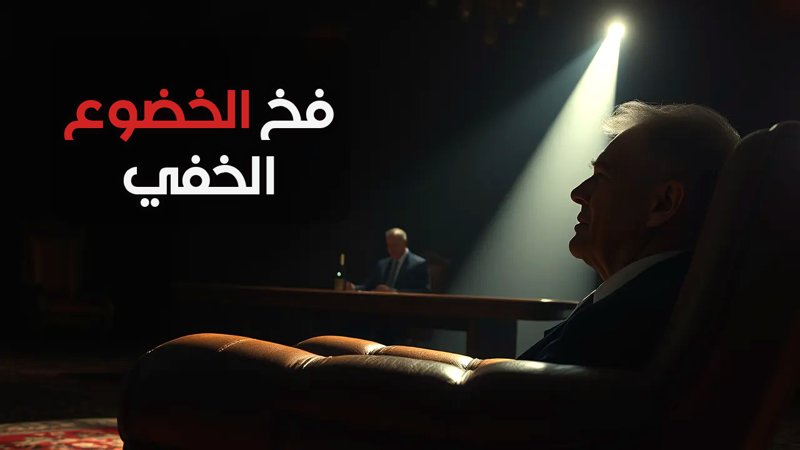
Designers, politicians, and skilled negotiators understand this game well. They use tactics like the ‘sunken sofa’ in corporate offices to make you sink into an overly comfortable couch.
At that moment, your knees rise above your hips, your back arches involuntarily, and you are forced to tilt your neck upward. This physical posture induces submission before you even utter a single word.
Historical Precedents: From Napoleon to Ancient Palaces
Historical figures understood spatial engineering implicitly. Napoleon, despite his short stature, never allowed anyone to sit at his eye level, utilizing steps and chair designs to maintain an aura of majesty.
Similarly, ancient palaces always placed thrones on raised platforms, forcing subjects to lift their eyes and experience an involuntary feeling of physical submission.
Lighting and Spatial Dynamics in Modern Offices
This dynamic is further completed by lighting arrangements. Powerful individuals often position light sources behind them or from an elevated angle, turning themselves into silhouettes while you face the light.
To uncover other historical mysteries of human manipulation and architecture, check out The Mystery of Puma Punku: Ancient Engineering or Lost Technology?.
Frequently Asked Questions
About The Author