The Defenestration of Prague: How a Window Toss Changed European History
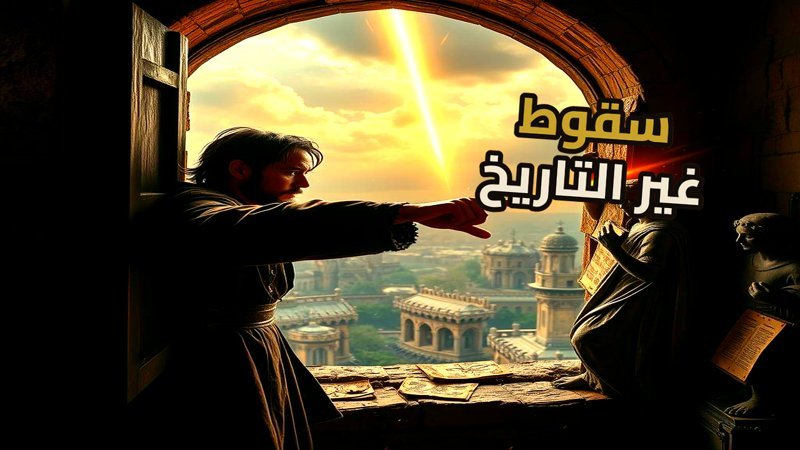
The Defenestration of Prague: How a Window Toss Changed European History
On May 23, 1618, a single, violent act at Prague Castle shattered the fragile peace of the Holy Roman Empire. What began as a political confrontation between Protestant nobles and Catholic regents escalated into a historical turning point known as the Defenestration of Prague, an event that would ultimately lead to the deaths of millions.
Navigate Content
The Protocol of the Window
In Prague, defenestration was not merely a random act of violence; it was a recognized, albeit brutal, political tradition. Derived from the Latin de (from) and fenestra (window), this act served as a desperate form of accountability. Much like the War of the Bucket, which showed how trivial objects could spark conflict, the window became a symbol of the Bohemian people’s refusal to be silenced by distant rulers.
A Legacy of Defiance
The 1618 incident was not the first of its kind. Nearly 200 years earlier, in 1419, followers of Jan Hus threw seven council members from a town hall window onto waiting spears. This historical precedent established a pattern of behavior:
- Public shame as a political tool
- The belief in ‘God’s will’ deciding the fate of the fallen
- A rejection of bureaucratic stagnation
The Collapse of the Letter of Majesty
The tension was fueled by the actions of King Ferdinand II, who viewed the ‘Letter of Majesty’—a document guaranteeing Protestant religious freedom—as an obstacle to his authority. As Catholic authorities began demolishing Protestant churches, the ‘Defenders’ realized that diplomacy had failed. This breakdown in communication mirrors the themes found in The Vulnerability of High Ego, where rigid leadership often blinds rulers to the brewing unrest of their subjects.
The Fatal Fall
When Count Thurn and his nobles entered the Bohemian Chancellery, the atmosphere was suffocating. After declaring the regents enemies of their freedom, they physically seized Martinic, Slavata, and their secretary, Fabricius, and hurled them from the high windows. This act of defiance was the spark that ignited the Thirty Years’ War, a conflict that would ravage Europe and claim millions of lives, proving that even the most hidden costs of political decisions can have catastrophic, long-term consequences.
Frequently Asked Questions
Generated by AI Content Architect
About The Author