The War of the Bucket: Did a Wooden Pail Really Cause a War?
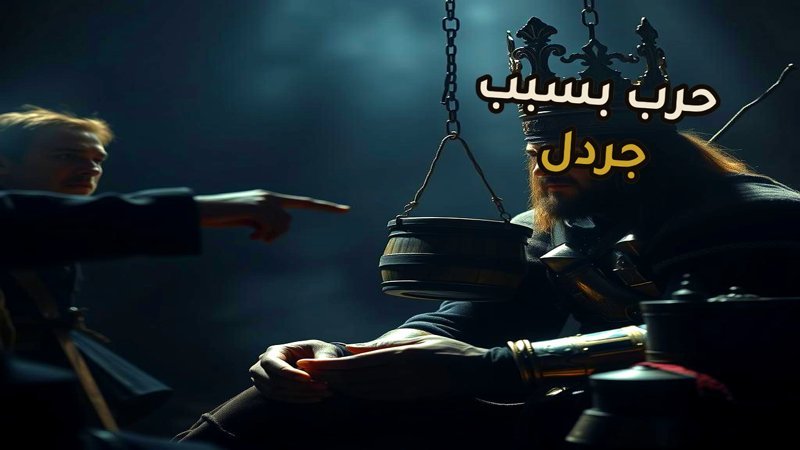
The War of the Bucket: Did a Wooden Pail Really Cause a War?
In 1325, the Italian city of Bologna was rocked by a theft that seemed trivial but ignited a firestorm of violence. A simple wooden bucket, stolen from a public well by soldiers from Modena, became the unlikely symbol of a deep-seated political and religious feud. While the bucket itself was worthless, the act of theft was viewed as a direct assault on Bologna’s sovereignty, leading to one of the most peculiar conflicts in medieval history.
Navigate Content
The Theft That Sparked a Crisis
Under the cover of darkness, Modenese soldiers infiltrated Bologna and made off with a common wooden bucket. To the people of Bologna, this was not just a prank; it was a calculated insult. The bucket represented the city’s dignity, and its loss was seen as a message of vulnerability. This incident mirrors how unfinished conflict often escalates when underlying tensions are left to fester.
A Deep-Rooted Political Divide
The bucket was merely the match that lit a long-standing powder keg. Italy in the 14th century was a fractured landscape of city-states divided by two major factions:
- The Guelphs: Loyal to the Pope in Rome.
- The Ghibellines: Aligned with the Holy Roman Emperor.
Bologna and Modena were on opposite sides of this ideological divide, making the bucket incident the perfect pretext to settle years of border disputes and commercial rivalry.
The March to Zappolino
Bologna, feeling its prestige was at stake, mobilized a massive force of 30,000 infantry and 2,000 knights. They marched toward the plains of Zappolino, expecting a swift victory over the smaller Modenese army. This mobilization demonstrates the extreme lengths to which leaders will go to protect their image, much like the psychology of obedience that drives soldiers to follow orders even in absurd circumstances.
The Battle and Its Legacy
On November 15, 1325, the two armies clashed. Despite being heavily outnumbered, the professional and disciplined Modenese forces exploited gaps in the Bolognese ranks. The battle was a brutal struggle for honor. While the bucket remained in Modena as a trophy, the true cost was measured in the thousands of lives lost during this strange chapter of history, reminding us that bizarre historical events often carry heavy consequences.
Frequently Asked Questions
Generated by AI Content Architect
About The Author