The Cadaver Synod: The Dead Pope Who Stood Trial
The Cadaver Synod: The Dead Pope Who Stood Trial
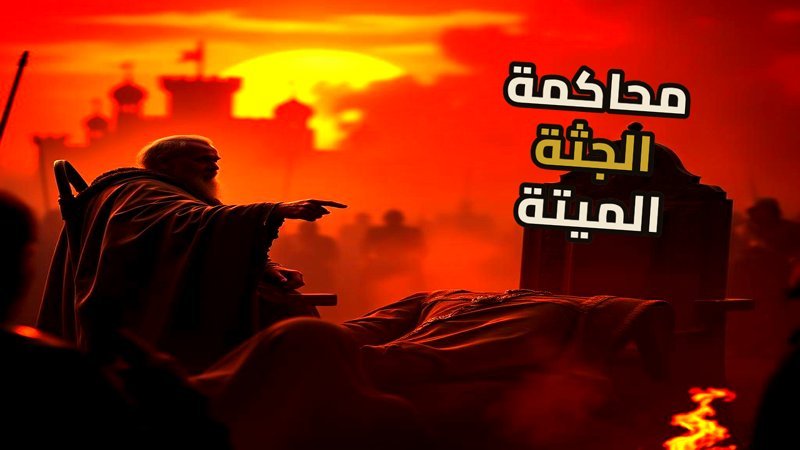
In the annals of history, few events are as macabre as the Cadaver Synod of 897 AD. Held in the Lateran Basilica, this trial saw the exhumed, decaying corpse of Pope Formosus dressed in papal regalia and forced to answer for his alleged crimes in a grotesque display of political theater.
Navigate Content
The Iron Age of the Papacy
The ninth century was a period of extreme instability known as the ‘Iron Age.’ Following the collapse of the Carolingian Empire, Rome became a battleground for powerful Italian families. The papacy was not merely a spiritual office but a political prize. To understand the motivations behind such a horrific act, one must look at how unfinished conflict and the thirst for control drove the Spoleto family to orchestrate this trial.
The Trial of the Dead
Pope Stephen VI, under immense pressure from his political backers, ordered the exhumation of Pope Formosus nine months after his burial. The scene was surreal:
- The corpse was dressed in full papal vestments.
- A young, terrified deacon was forced to act as a proxy.
- The body was seated on the throne to face accusations of perjury.
This spectacle was designed to invalidate every act, alliance, and coronation performed by Formosus during his reign.
A Grotesque Political Tool
The trial was a calculated move to erase a legacy. By proving Formosus was never a legitimate pope, the Spoleto family aimed to void the crowns and political favors he had granted. Much like the psychology of obedience, the attendees watched in horror as the decaying body shifted, appearing to nod in agreement with the accusations leveled against it by a shouting Stephen VI.
The Legacy of the Synod
The Cadaver Synod remains one of the most bizarre chapters in the history of the Catholic Church. It serves as a grim reminder of how far the pursuit of power can corrupt institutions. For those interested in how history preserves such dark moments, it is worth comparing this to other traditions of remembering the dead, though few were as politically motivated or as violent as the events of 897 AD.
Frequently Asked Questions
Generated by AI Content Architect
About The Author