The Mystery of the Brinicle: Antarctica’s Lethal Finger of Death
The Mystery of the Brinicle: Antarctica’s Lethal Finger of Death
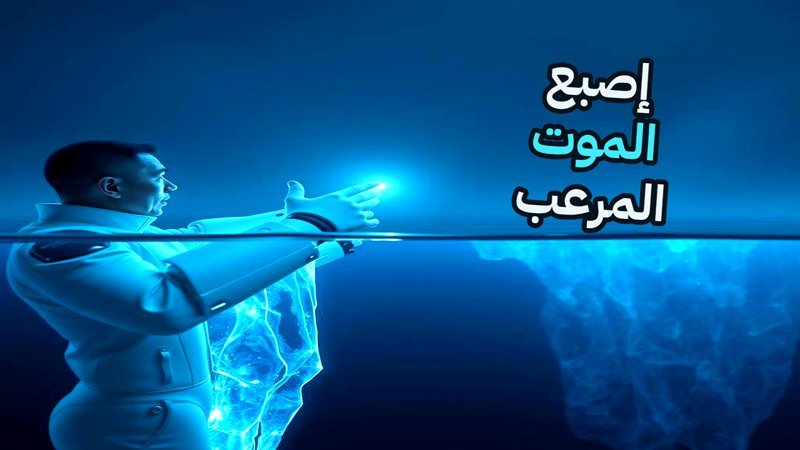
In 2011, a BBC film crew captured a rare and haunting phenomenon beneath the Antarctic ice: the brinicle. Often referred to as the ‘finger of death,’ this delicate, descending tube of ice acts with lethal precision, turning the seafloor into a frozen graveyard. By exploring the intersection of extreme cold and salinity, we can reconstruct the path of this natural crime.
Navigate Content
The Discovery of the Frozen Finger
While filming in the harsh Antarctic waters, cinematographers Hugh Miller and Doug Anderson observed a translucent thread of ice descending toward the seabed. Using time-lapse photography, they revealed a brutal reality: as the brinicle touched the ocean floor, it spread a web of ice that instantly immobilized slow-moving creatures like starfish and sea urchins. This discovery mirrors other mysteries of sudden abandonment found in nature.
The Science of Salt and Super-cooling
The brinicle is not ordinary ice; it is a product of brine rejection.
- When seawater freezes, it rejects salt, creating highly concentrated, super-cooled brine.
- This dense liquid sinks, creating a channel that remains fluid despite being well below the freezing point.
- As it descends, the surrounding water freezes upon contact, forming an insulating pipe.
This process is a fascinating example of how physical laws dictate survival in extreme environments, much like the engineering feats seen in The Walls of Constantinople.
A Lethal Trap for Marine Life
Once the brinicle reaches the seafloor, it spreads horizontally, encasing everything in its path. The ice layer does more than just freeze the creatures; it isolates them from the water, effectively cutting off their oxygen supply. This creates an eerily quiet, frozen scene where life is halted mid-motion. The speed and efficiency of this process highlight the unforgiving nature of the Antarctic ecosystem.
From Mathematical Theory to Visual Reality
For decades, the brinicle was merely a theoretical concept. In the 1960s and 70s, scientist Seelye Martin predicted its existence through mathematical modeling, but the harsh conditions—crushing pressure, freezing temperatures, and total darkness—made observation impossible. It took modern advancements in filming technology to finally prove that this ‘finger of death’ was not just a legend, but a recurring natural event.
Frequently Asked Questions
Generated by AI Content Architect
About The Author