The Mystery of Egypt’s White Desert: From Ancient Seabed to Chalk Land
The Mystery of Egypt’s White Desert: From Ancient Seabed to Chalk Land
The silence of Egypt’s White Desert is profound, broken only by the crunch of footsteps on shimmering, snow-like dust. Beneath this barren, arid surface lies a geological secret that defies the scorching sun: this land was once the floor of a deep, thriving ocean. To understand how this transformation occurred, we must look back millions of years to a time when North Africa was submerged beneath the Tethys Sea.
Navigate Content
A Prehistoric Marine Paradise
Eighty million years ago, the Earth looked vastly different. With no ice at the poles, sea levels were significantly higher, submerging much of North Africa. The region now known as the Farafra and Bahariya Oases was a warm, open ocean teeming with life. Visitors today can still find remnants of this era, such as fossilized seashells and shark teeth, embedded in the desert floor. This environment was home to apex predators like the 15-meter-long Mosasaurus and massive sea turtles, all leaving their mark on the seabed.
The Secret of the White Canvas
While large fossils capture the imagination, the brilliant white color of the desert comes from something much smaller: coccolithophores. These single-celled algae acted as tiny engineers, building protective shields of calcium carbonate. Over millions of years, these shields rained down like ‘marine snow,’ accumulating into thick, pure layers of chalk. This process is similar to other ancient geological mysteries, such as those explored in Nabta Playa: The Ancient Stone Clock That Predates Stonehenge.
The Invisible Chisel: Aeolian Weathering
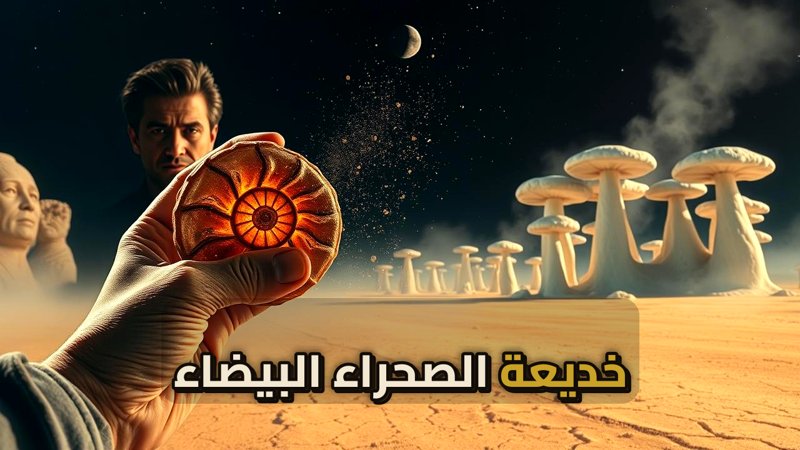
Once the sea receded, the white chalk plateau was exposed to a new force: the wind. Through a process called aeolian weathering, wind-blown sand acts as a natural abrasive. Because sand is heavy, it concentrates its force near the ground, carving the rock into the iconic ‘mushroom’ shapes seen today. This relentless sculpting is a testament to the power of nature over geological time, much like the hidden histories found in Derinkuyu: The Ancient Underground City Hidden Beneath Cappadocia.
Why the Desert Remains Pure
The striking purity of the White Desert’s chalk is a geological rarity. The lack of clay or sandy impurities suggests that the ancient Tethys Sea in this region was exceptionally calm and isolated from silt-carrying currents. This allowed for the undisturbed accumulation of calcareous remains, creating the pristine, snow-white landscape that continues to fascinate geologists and travelers alike.
Frequently Asked Questions
Generated by AI Content Architect
About The Author