The Mystery of Nepal’s Sky Caves: Ancient Dwellings in the Clouds
The Mystery of Nepal’s Sky Caves: Ancient Dwellings in the Clouds
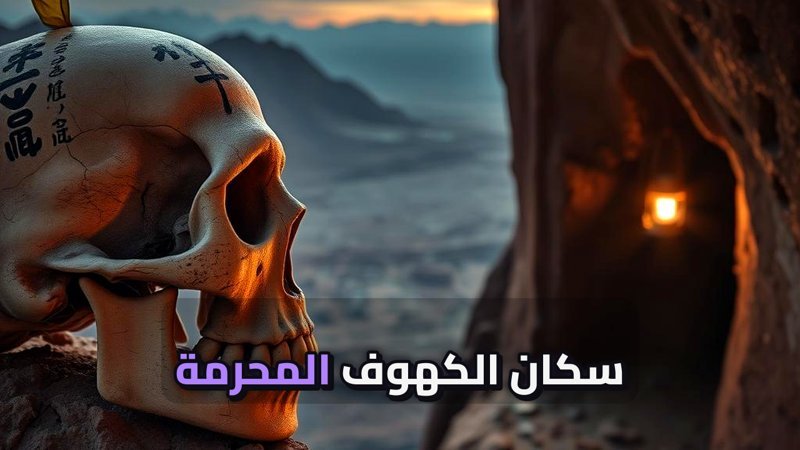
In the remote Mustang region of Nepal, thousands of man-made caves are carved into sheer, vertical cliff faces at dizzying altitudes. These ‘sky caves’ have baffled researchers for decades, raising questions about how ancient people accessed these impossible heights and why they chose to live suspended between heaven and earth.
Navigate Content
A Landscape of Ancient Secrets
The Mustang region is a high-altitude desert where wind-sculpted rocks create an otherworldly terrain. Amidst these colossal walls, thousands of openings resemble giant beehives. Unlike the ancient underground city of Derinkuyu, these dwellings were built upward, defying gravity and logic. There are no visible paths, ladders, or ropes, leaving scientists to wonder how ancient inhabitants transported food, water, and even their deceased to these precarious heights.
The Evolution of the Sky Caves
Archaeological findings have revealed that these caves served different purposes over three millennia:
- Burial Chambers: The oldest layers, dating back 3,000 years, served as tombs to protect the dead from predators.
- Fortified Sanctuaries: By the 10th century, the caves became a refuge for families fleeing the conflicts of expanding Tibetan kingdoms.
- Monastic Retreats: In the 14th century, the caves transitioned into secluded cells for monks and ascetics seeking deep meditation.
A Vault of Lost Knowledge
The most startling discovery occurred when explorers uncovered a hidden chamber behind a wooden wall. Inside, they found thousands of ancient manuscripts and scrolls wrapped in silk. This ‘vault’ contained: folk medicine recipes, astronomical observations, and philosophical treatises. Much like the mysteries found in Skara Brae, these texts provide a rare, preserved glimpse into a civilization that history nearly forgot.
The Challenges of Exploration
Investigating these sites is a perilous task. In 2007, a National Geographic team led by Pete Athans faced the extreme fragility of the sandstone cliffs. The rock is so brittle that it often crumbles under the touch of a climber. This physical danger highlights the immense dedication required by the original inhabitants to carve and maintain these structures without modern equipment.
Frequently Asked Questions
Generated by AI Content Architect
About The Author