
The King Who Carved Paradise into Rock: The Mystery of Lalibela
The King Who Carved Paradise into Rock: The Mystery of Lalibela
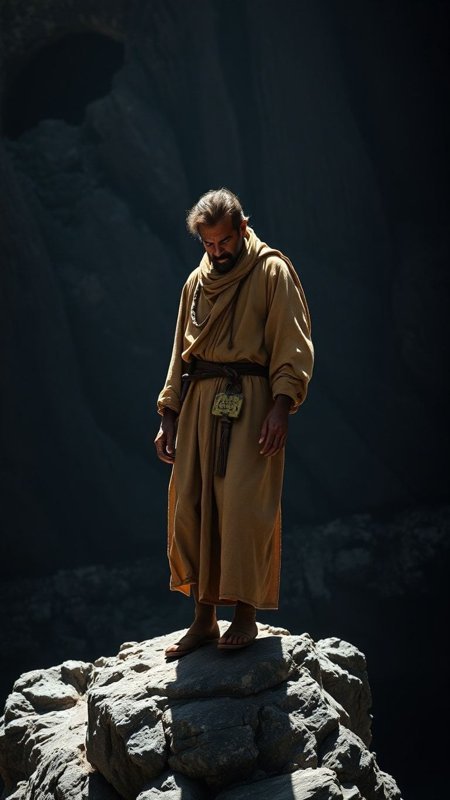
The King stands atop a solid volcanic rock, his gaze fixed upon the earth rather than the heavens. Beneath his feet, an entire world waits to be birthed by daggers and chisels. This is not construction; it is a manifestation. In the heart of Ethiopia, King Lalibela challenged reality itself by carving a series of monolithic churches directly into the mountain, creating an architectural marvel that continues to defy logic 800 years later.
Navigate Content
The Architecture of the Void
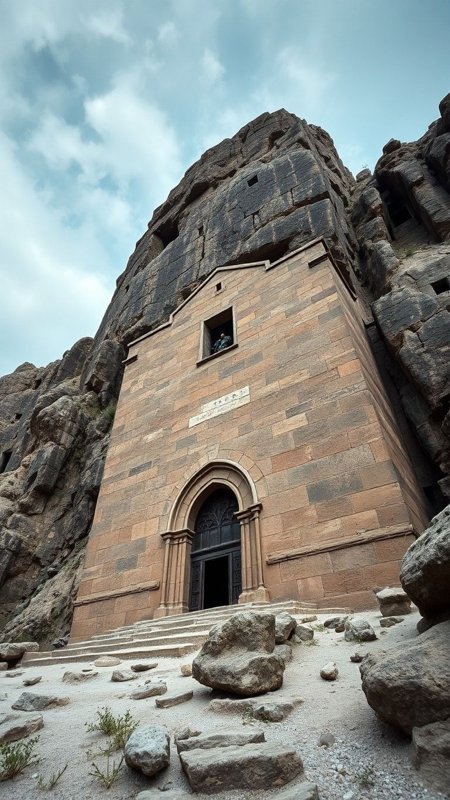
Imagine taking a mountain and peeling it like an orange to reveal a complete church hidden within its core. Unlike standard construction that stacks stone upon stone, the builders at Lalibela carved ‘void’ out of the heart of the rock.
- The excavation reached depths of 12 meters.
- Trenches were dug to isolate the rock mass from the mountain.
- Every detail was carved from the outside in, with zero margin for error.
If a chisel slipped by a millimeter, the entire structural integrity was compromised, as no cement could mask such a scandal.
Legitimacy Through Divine Engineering
The Zagwe dynasty faced a existential crisis: their bloodline was not ‘Solomonic’ and they were viewed as usurpers. With pilgrimage routes to Jerusalem closed by the rise of Saladin, King Lalibela performed a political masterstroke. He brought the Holy Land to Ethiopia. By naming a local river the ‘Jordan River’ and carving caves to represent ‘Christ’s Tomb,’ he baptized his politics in religion. For similar feats of engineering that defied their time, see the Secret of Great Zimbabwe.
Biete Medhane Alem and the Cross of Stone
Biete Medhane Alem stands as the largest monolithic structure in the world, sculpted from a single block of volcanic rock. The site features complex geometric apertures and relies on a sophisticated system of drainage to ensure rainwater doesn’t erode the miracle. Nearby, Biete Giyorgis, shaped as a perfect cross, serves as the jewel of the complex, proving to critics that the Zagwe right to rule was carved in stone. This level of subterranean mastery mirrors other ancient enigmas, such as the Secret of Derinkuyu.
A Journey from Life to Afterlife
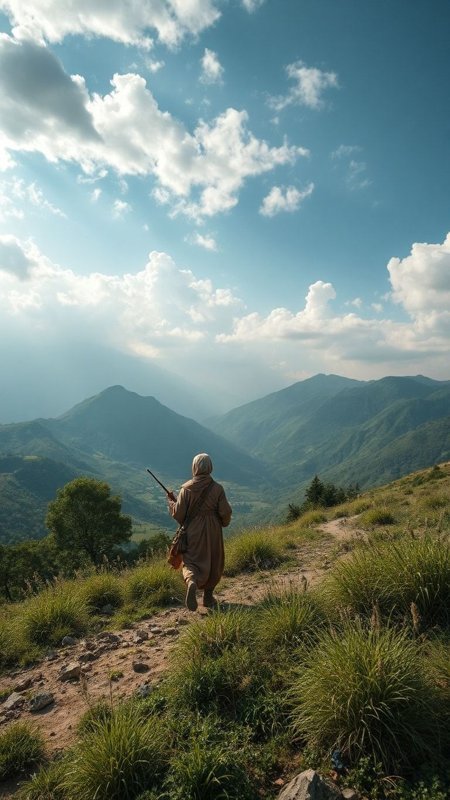
The passages connecting the churches are intentionally narrow, dark, and claustrophobic. King Lalibela designed these tunnels so visitors must bow their heads, symbolizing a journey from this life to the next. Every step taken through these stone veins is a ritual of purification. It is a ‘hidden city’ designed to escape the eyes of enemies while reaching for the divine from within the heart of the dust.
Frequently Asked Questions
Generated by AI Content Architect
About The Author