The Secret of Derinkuyu: Inside the Underground City of 30,000
The Secret of Derinkuyu: Inside the Underground City of 30,000
Navigate Content
A Marvel of Volcanic Engineering
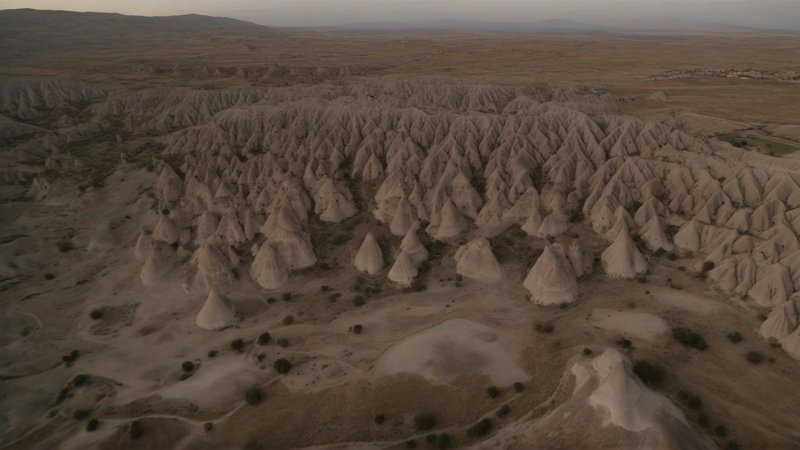
Discovered by chance in 1963, Derinkuyu is a masterpiece of subterranean architecture. The secret lies in the volcanic tuff used by ancient engineers:
- Soft as dough when initially excavated, it hardens to the strength of steel over time.
- Engineers utilized gravity to their advantage, digging top-down to bypass the need for heavy lifting equipment.
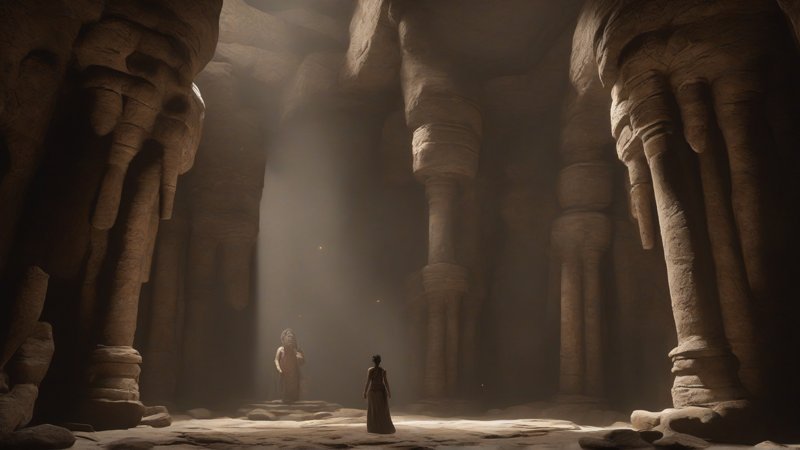
- Structural integrity was maintained by leaving pillars of parent rock, creating a monolithic structure without the need for joints or mortar.
Strategic Design and Psychological Warfare
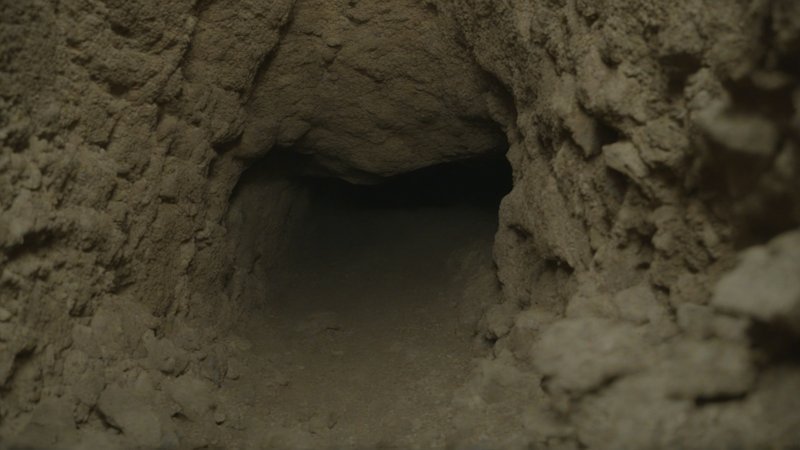
Every element of the city served a military or survival purpose. The passageways were intentionally narrow to neutralize invading warriors who would be forced to crawl, rendering them unable to wield weapons effectively. Furthermore, the massive stone disc doors were designed to be sealed from the inside, featuring small apertures designed to strike intruders with spears.
For those interested in the darker aspects of human conflict and survival, consider reading about The Power of Silence, a tactic surely mastered by the denizens of this silent city.
The Ventilation and Water Enigma
How did 30,000 people breathe 80 meters underground? The city utilized a complex network of 52 ventilation shafts that operated on air pressure physics, allowing cold and hot air to cycle silently. These shafts were often camouflaged to prevent surface enemies from poisoning the air supply. This level of environmental control is reminiscent of nature’s own extreme survival mechanisms, similar to what is seen in The Secret of Life in the Mariana Trench.
A Closed Ecosystem or a Catastrophe Refuge?
Derinkuyu was not just a hiding spot; it was a functioning city with grain mills, stables, schools, and churches. The precision of the shafts suggests a level of mathematical mastery that contradicts the ‘simple tool’ narrative provided by many archaeologists. Perhaps this was a refuge from a global catastrophe, such as those discussed in Antarctica’s Deep Secrets, rather than merely a shelter from passing armies.
Frequently Asked Questions
About The Author