The Terracotta Army: Secrets of Qin Shi Huang’s Dark Obsession
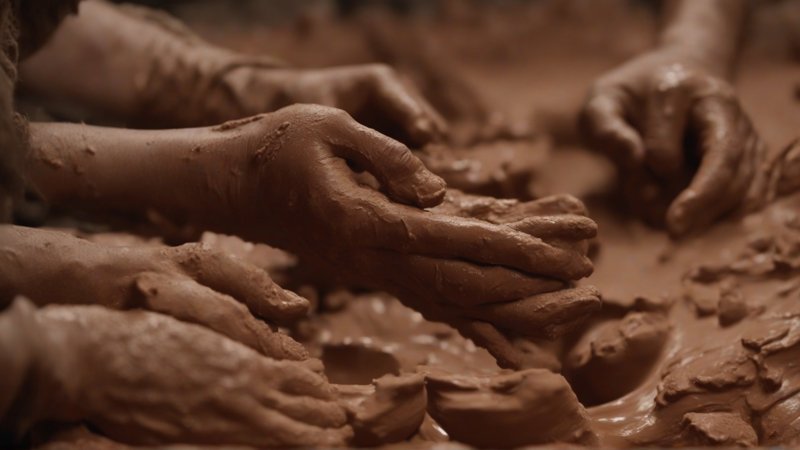
The Terracotta Army: Secrets of Qin Shi Huang’s Dark Obsession
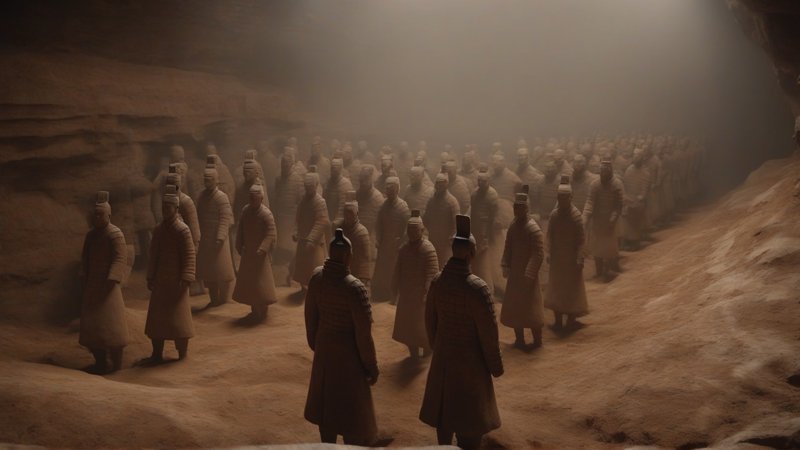
Eight thousand silent faces, each bearing a different flavor of death. Eight thousand terracotta warriors, buried for a secret yet to be revealed. What is the true price of an illusory immortality? And why does this army still guard the gates of the unknown? In this investigation, we peel back the clay to expose the chilling engineering and dark madness of China’s First Emperor.
Navigate Content
The Obsession That Conquered Time
In 259 BC, Qin Shi Huang was born with a singular, terrifying goal: to conquer time itself. He was not satisfied with unifying China; he intended to rule eternally. His obsession with immortality led to the creation of the Terracotta Army—not merely as a monument, but as a manifestation of absolute power. This army of eight thousand unique soldiers serves as a chilling testament to a ruler who refused to surrender his authority, even in death.
Engineering the Afterlife: Organized Genius or Madness?
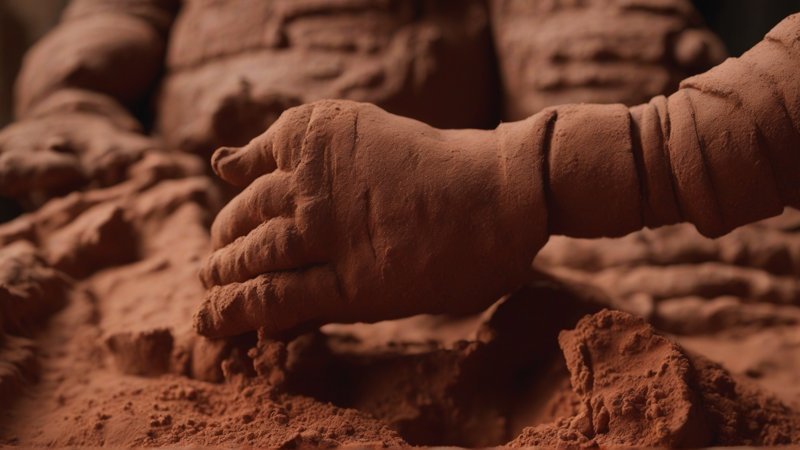
The production of the Terracotta Army was an industrial feat that would stagger modern engineers.
- Assembly-line tactics: Basic molds were used for limbs and torsos.
- Individual artistry: Every face was hand-sculpted, ensuring no two warriors were identical.
- Military precision: Soldiers were equipped with authentic, battle-ready weaponry.
This was a war machine forged from clay, designed to protect an Emperor from phantom threats in the afterlife, much like the engineering disasters of the past remind us that ambition often borders on hubris.
The Lethal Secrets of Mount Li
Beyond the clay warriors lies the mausoleum itself—a massive artificial mountain hiding secrets that are far more dangerous than the soldiers. Ancient records by Sima Qian describe mechanical traps and crossbows designed to shred any intruder. Even more terrifying is the evidence of rivers and seas of mercury. Modern soil analysis confirms lethal concentrations of this toxic metal, which the Emperor likely believed would serve as both an eternal flow of power and a protective barrier against decay.
The Price of Absolute Silence
A project of this scale required thousands of laborers, artisans, and slaves. Historians believe that once the tomb was sealed, the Emperor ensured that no secrets escaped. It is widely suggested that many of those who knew the layout of the complex were buried alive within its walls. It is a grim reminder of how far some rulers would go to secure their legacy, a theme we often see in the dark histories of ancient leaders who sought to erase or control their narratives.
Frequently Asked Questions
Generated by AI Content Architect
About The Author