The Delhi Iron Pillar: Ancient Technology or Lost Science?
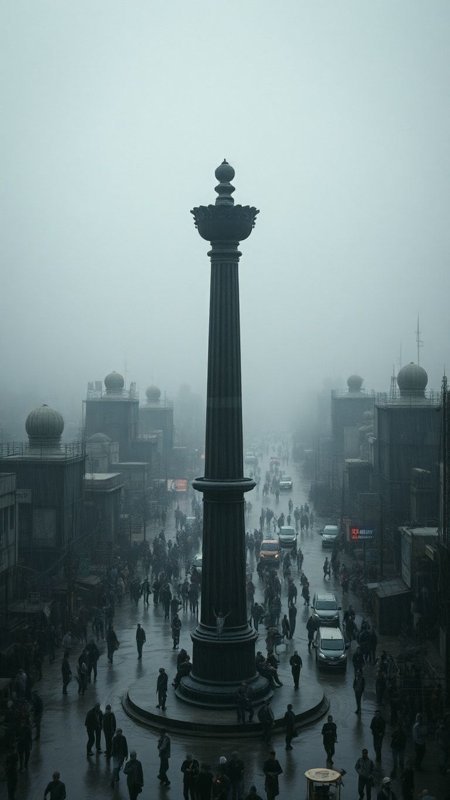
The Delhi Iron Pillar: Ancient Technology or Lost Science?
Amidst the smog and chaos of Delhi stands a seven-meter iron pillar that has defied the laws of chemistry for over 1,600 years. While modern engineers struggle to prevent rust on our most expensive structures, this ancient monument remains gleaming and defiant without a single coat of paint. It challenges our perception of the past and forces us to ask: were the ancients more advanced than we are today?
Navigate Content
The Chemistry of Immortality
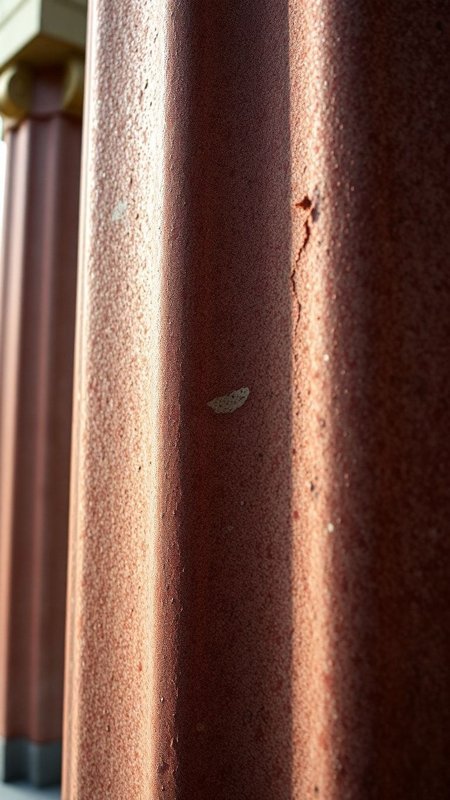
Logic dictates that high-purity iron should collapse into red dust when exposed to 90% humidity. However, the Delhi Pillar resists corrosion through a protective microscopic layer of misawite. This ‘dead skin’ acts as a fortress, healing itself and preventing oxygen and moisture from reaching the core of the iron.
The Phosphorus Factor
The secret to the pillar’s survival lies in a technical ‘error’ of ancient metallurgy: high concentrations of phosphorus.
- Ancient blacksmiths used wood fuel, which infused the iron with phosphorus.
- Modern steel manufacturers remove phosphorus to prevent brittleness.
- This ancient technique created a catalytic reaction that seals the metal against the elements.
A Masterclass in Forge Welding
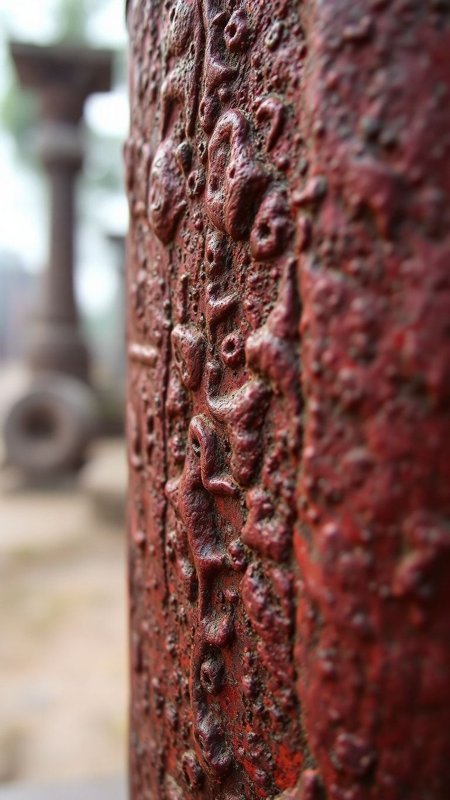
Microscopic analysis reveals that the pillar is not a single casting but a collection of wrought iron blocks welded together with impossible skill. This level of forge welding remains beyond the reach of modern technology for a mass of this scale. Much like the architectural feats found in The Secret of Great Zimbabwe, this pillar defies our current understanding of physics.
Scientific Arrogance and Lost Knowledge
We often dismiss our predecessors as ‘primitive,’ yet they left us a six-ton puzzle that stands while our modern bridges require constant restoration. This pillar represents a ‘glitch’ in historical progress. It reminds us of other lost arts, such as the destructive power described in Greek Fire: The Lost Alchemical Weapon of Constantinople, which science still struggles to replicate.
Frequently Asked Questions
Generated by AI Content Architect
About The Author