
Madain Salih: How Economic Desperation Reshaped Nabataean Identity
Madain Salih: How Economic Desperation Reshaped Nabataean Identity
The sandstone of Hegra (Madain Salih) is more than just a monument to the deceased; it is a ledger of economic decline. While many see beauty in these ancient facades, a closer look reveals a desperate attempt by the Nabataean people to mask their falling status as their global trade empire crumbled under the weight of Roman maritime innovation.
Navigate Content
The Nabataean ‘Balance Sheet’ in Stone
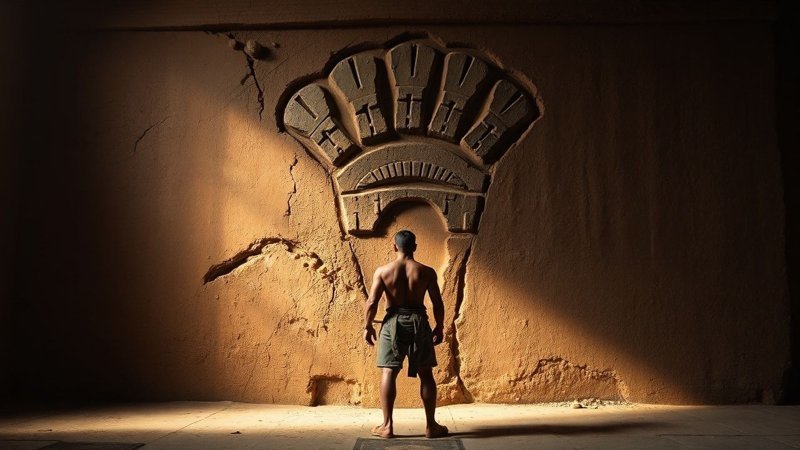
Every chisel strike at Hegra was an act of survival. The Nabataeans were the masters of the ancient ‘incense stock exchange,’ but when Roman trade routes shifted to the seas, their terrestrial monopoly collapsed. The architectural evolution of these tombs—from simple stepped crenellations to ornate Greek-style pediments—acts as a ‘thermometer’ measuring the empire’s final, desperate moments of relevance.
Identity vs. ‘Hustle’: Why the Architecture Changed
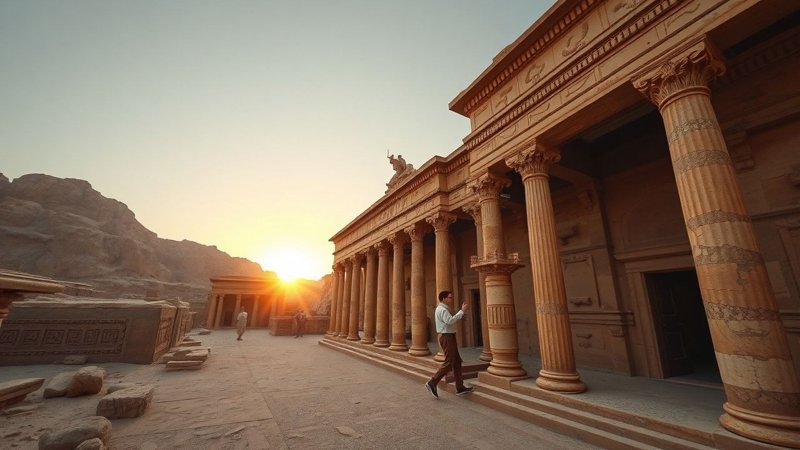
The transition from indigenous designs to classical Corinthian columns was not an aesthetic choice; it was a form of marketing.
- The ‘Crow-Step’ Motif: Represented Nabataean sovereignty and their mastery of the desert roads.
- Classical Imitation: A forced pivot to align with ‘Western’ fashion to attract investors who had already moved on.
This was a desperate attempt to tell the Roman world, ‘I am still relevant,’ while the empire’s economic power was being liquidated.
A Legacy Built on Shifting Sands
Geography was the enemy that killed the Nabataean empire. While they were water-engineering geniuses, they could not fight the changing ‘map’ of global trade. These stone facades serve as an elegy for a golden age. Much like other civilizations lost to history, such as the mystery surrounding the Minoan collapse, the Nabataeans discovered that when a monopoly vanishes, so does the culture that built it.
Globalization of the Ancient World
The collapse of the Nabataean Empire mirrors modern economic shifts. We are witnessing the ‘globalization’ of the ancient world where the landowner is forced to change their very identity to satisfy a new master. The stone speaks the truth: power does not lie in the sword, but in the trade route. For more deep dives into how ancient data and trade controlled the world, explore the ancient data empire of Ebla.
Frequently Asked Questions
Generated by AI Content Architect
About The Author