The Enigma of the ‘Human Hobbit’: Did Flores Man Really Go Extinct?
The Enigma of the ‘Human Hobbit’: Did Flores Man Really Go Extinct?
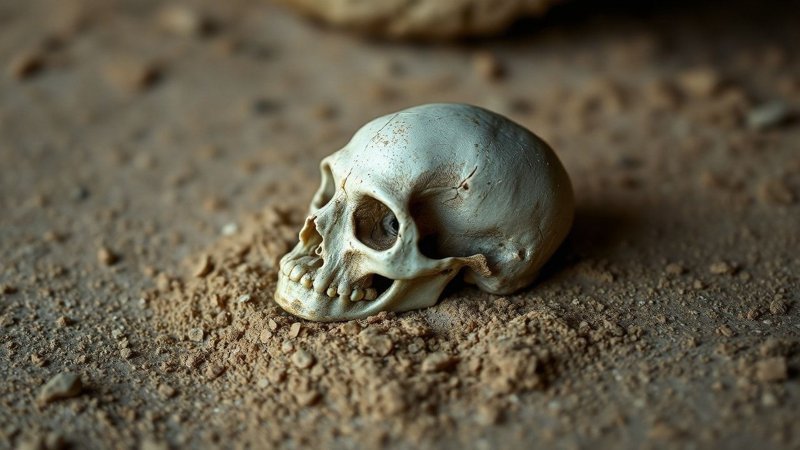
The year is 2003. Inside the Liang Bua cave on the Indonesian island of Flores, researchers unearthed a skull no larger than a grapefruit. While initial assumptions pointed to a child, the skeletal evidence revealed a fully developed adult creature—the ‘Flores Man.’ This discovery shattered established evolutionary laws and forces us to confront unsettling questions about our own biological fate.
Navigate Content
Foster’s Rule: The Island Prison
On isolated islands, nature practices ‘sculpting by elimination.’ When resources are scarce and predators disappear, evolution favors the smallest, most energy-efficient individuals. Known as Foster’s Rule (or insular dwarfism), this biological process forces larger species to shrink. Just as elephants on Flores evolved into dog-sized creatures, early humans were squeezed by their environment, leading to the emergence of the ‘Hobbits.’ Much like the environmental constraints discussed in Mount Roraima: The Evolutionary Prison Where Life Defies Modern Rules, Flores acted as a crucible for radical change.
A Super-Processor in an Ancient Body
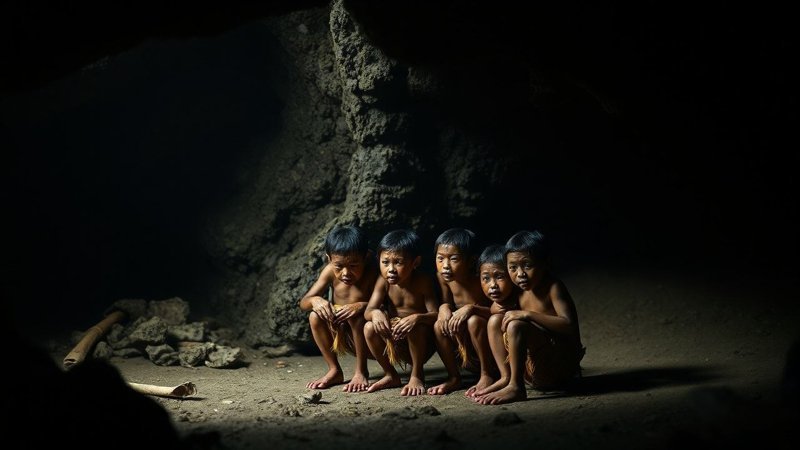
Despite having a brain one-third the size of ours, the ‘Flores Man’ was far from unintelligent. Their ability to thrive defied logic:
- They utilized sharp stone tools.
- They mastered the use of organized fires.
- They carved animal bones with high precision.
They were an entirely different engineering design, optimized for forest survival rather than our own expansionist path. This efficiency is a reminder that nature often values intelligence over raw size, similar to the specialized adaptation seen in Stronger Than Steel: The Secret of Life in the Mariana Trench.
The Shadow of Disappearance
The true mystery lies in their sudden exit from history 50,000 years ago, placing them as contemporaries of our own ancestors. The encounter between ‘Homo sapiens’ and these small inhabitants remains a point of dark speculation. Did nature decide their ‘power-saver’ biology was obsolete, or were they extinguished by human expansion? As we explore the fragility of civilizations, we see echoes of this struggle in other historical collapses, such as those examined in Minoan Collapse Secret: Drowning by Tsunami, Not Just Volcano Ash.
Ebu Gogo: Myth or Living Reality?
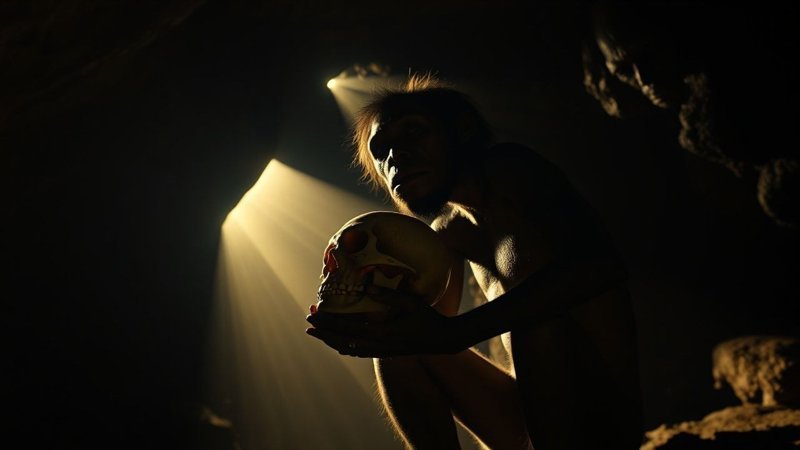
Local Indonesian legends persist in describing the ‘Ebu Gogo’—short, hairy creatures that communicate in whistling tongues. While often dismissed as folklore, some suggest these stories might be ancestral memories of the ‘Flores Man.’ Is it possible this species is not extinct, but hiding in the deepest pockets of the forest, observing our reckless consumption of the planet? Much like the secrets hidden in Antarctica’s Deep Secrets: Boiling Lakes, Unknown DNA, and a Shifting Earth, we are forced to wonder if what we consider ‘history’ is still happening.
Frequently Asked Questions
Generated by AI Content Architect
About The Author