Greenland: The Hidden Economic Collapse of the Viking Civilization
Greenland: The Hidden Economic Collapse of the Viking Civilization
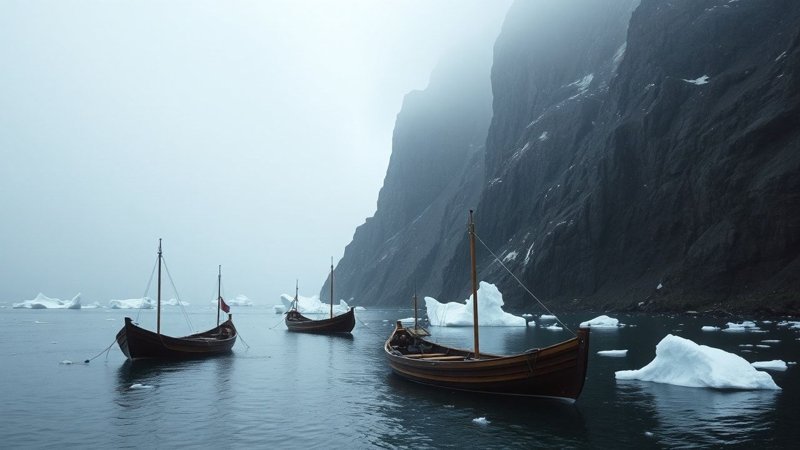
In the 10th century, Greenland was not the barren, ice-covered wasteland we imagine today. To the Norse settlers, it was a vital hub of wealth and commerce—Europe’s ‘White Gold mine.’ Led by Erik the Red, these Vikings established colonies that served as extraction stations, fueled by a singular obsession: the precious, dense ivory of the walrus.
Navigate Content
The White Gold Rush
For the Greenland Vikings, the walrus was more than a creature; it was currency. Walrus ivory was harder and purer than its elephant counterpart, making it highly coveted in medieval European courts. These settlements were effectively:
- Extraction bases for high-value marine resources.
- Centers of trade that rivaled mainland Norwegian hubs.
- Strategically positioned sites at the edge of the world.

Mastery in Ivory: The Lewis Chessmen
The peak of the ivory trade is immortalized in the famous Lewis Chessmen. Carved from Greenlandic walrus ivory, these pieces are more than just art; they represent the pinnacle of Norse craftsmanship and trade influence. This historical connection is just as mysterious as other ancient enigmas like the Delhi Iron Pillar or the secrets of Great Zimbabwe.
The Economic Shift and Market Collapse
The prosperity of the Norse Greenlanders relied entirely on a monopoly of high-end ivory. However, by the 13th century, expanding trade routes into the Mediterranean introduced African elephant ivory to the European market. It was larger, easier to carve, and cheaper to produce. This market saturation rendered the Greenlanders’ labor-intensive walrus hunts economically obsolete.
The Silent Disappearance
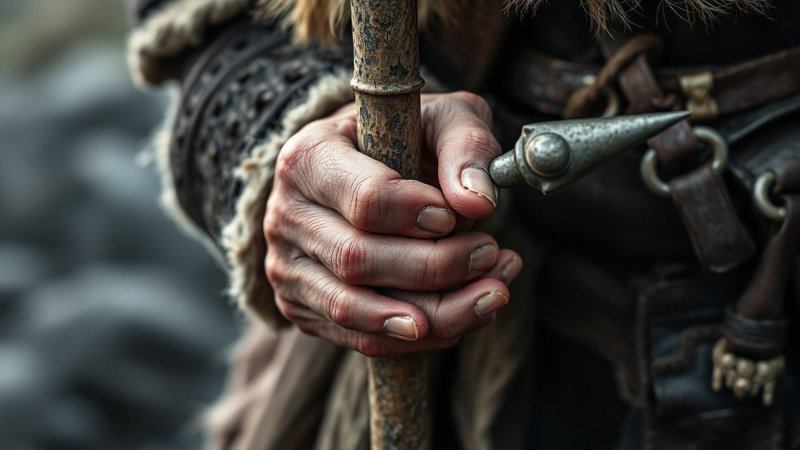
Deprived of their primary income, the Greenland settlements transitioned from prosperous outposts to isolated, starving communities. The lack of economic resilience, combined with harsh climate shifts, doomed the population. Like the Nabataeans at Madain Salih, the Greenlanders fell victim to the shifting tides of global commerce and resource control.
Frequently Asked Questions
Generated by AI Content Architect
About The Author