The Svalbard Vault: Inside the Doomsday Seed Bank’s First Rescue Mission
The Svalbard Vault: Inside the Doomsday Seed Bank’s First Rescue Mission
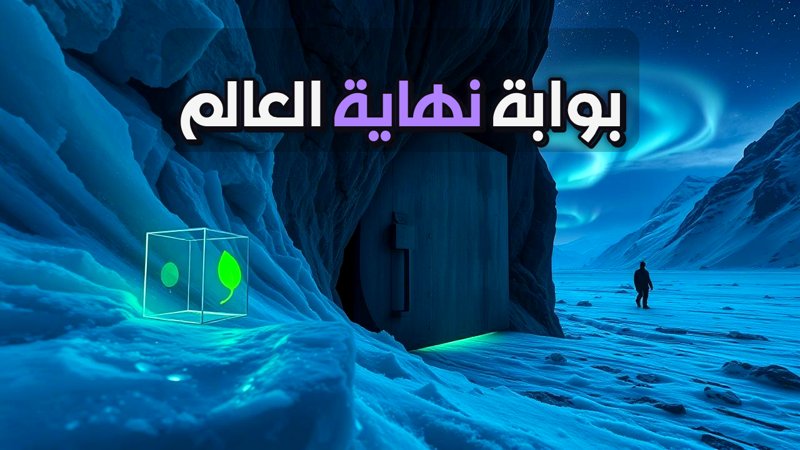
Deep within the permafrost of the Arctic, a concrete structure stands as humanity’s ultimate insurance policy. The Svalbard Global Seed Vault, often called the ‘Doomsday Vault,’ is not a military bunker, but a sanctuary for the future of our food supply. Here, we explore the engineering, diplomacy, and the historic moment when this frozen fortress was called upon to save Aleppo’s agricultural heritage.
Navigate Content
Engineering for Eternity
The vault’s location is no accident. Built 130 meters above sea level, it is designed to withstand rising tides, while the surrounding permafrost acts as a natural refrigerator. Even in the event of a total power failure, the surrounding rock maintains the -18°C temperature required to keep seeds viable for decades. For more on how extreme environments shape human ingenuity, see Point Nemo: The Most Remote Place on Earth and Its Space Graveyard.
The Black Box Law: Diplomacy in the Ice
The vault operates under a unique set of rules known as the ‘Black Box Law.’
- Norway provides the facility, but does not own the contents.
- Depositing nations retain full legal ownership of their seeds.
- No one, including the vault managers, is permitted to open or inspect the sealed boxes.
This neutrality allows nations in conflict to store their agricultural future side-by-side in peace.
A Utopia of Seeds
Inside the storage halls, the geopolitical map of the world dissolves. You will find samples from nations with severed diplomatic ties sitting on the same shelf. This ‘Utopia’ proves that when it comes to the survival of humanity, food security is a universal priority. This spirit of preservation mirrors the historical importance of resources, much like the The Salt Trade: Why Salt Was More Precious Than Gold in the Sahara.
The Aleppo Withdrawal: Reality Strikes
For years, the vault was viewed as a long-term insurance policy. That changed in 2015 when the ICARDA research center in Aleppo, Syria, faced a crisis. The center held rare, drought-resistant strains of wheat and barley essential for the region’s survival. With the facility under threat, the vault was activated for the first time, proving that this ‘Doomsday’ backup was a vital, living resource for modern agriculture.
Frequently Asked Questions
Generated by AI Content Architect
About The Author