Chiapas Dossier: Why Coca-Cola is Cheaper Than Water in Mexico
Chiapas Dossier: Why Coca-Cola is Cheaper Than Water in Mexico
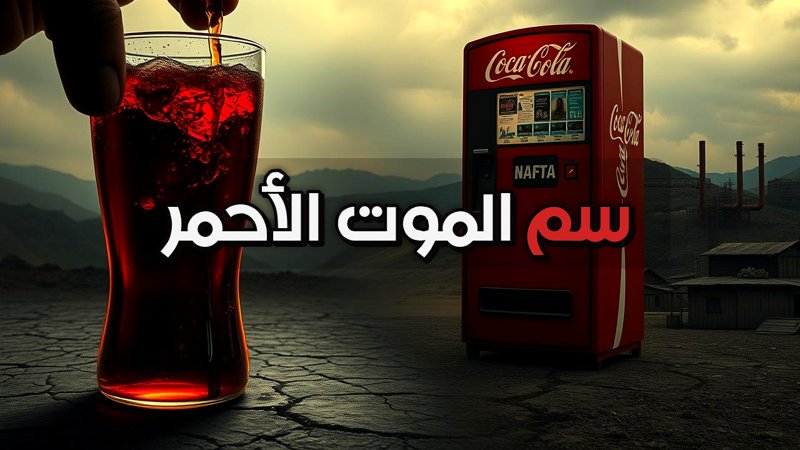
San Cristóbal de las Casas, nestled in the mountains of Chiapas, should be a place of abundance. Yet, residents face a grim reality: the tap water is contaminated, and the most accessible, affordable liquid for survival is Coca-Cola. This is not a matter of preference, but a systemic crisis of infrastructure and policy.
Navigate Content
The Price Paradox: A Crisis of Access
In Chiapas, the numbers are staggering. The average per capita consumption of soda reaches 828 liters per year—roughly 2.25 liters daily. This reliance on sugary drinks is a forced survival strategy. While clean water remains scarce or polluted, the red refrigerators of FEMSA, the world’s largest independent Coca-Cola bottler, are ubiquitous. This situation mirrors historical patterns of resource depletion, much like those explored in The Maya Collapse, where environmental mismanagement led to societal strain.
The 1990s: Legislative Loopholes and Privatization
The roots of this crisis trace back to the 1990s. Two key events shifted the landscape:
- The 1992 amendment to Mexico’s Water Law, which allowed private concessions for groundwater extraction.
- The 1994 signing of NAFTA, which prioritized industrial growth over local resource security.
These policies effectively transformed water from a human right into a commercial commodity, favoring large-scale industrial plants over the needs of local farmers and domestic households.
FEMSA and the Hydraulic Pressure Crisis
The FEMSA plant in San Cristóbal holds permits to extract over a million liters of water daily. This massive extraction creates a hydraulic pressure drop, causing shallow wells used by local families to dry up. The irony is profound: the very infrastructure that provides jobs also drains the essential resource required for the community to live, creating a complex dependency that is difficult to dismantle.
Beyond Business: Cultural Integration
The influence of the ‘black beverage’ has transcended the economy and seeped into the cultural and religious fabric of the region. In places like the church of San Juan Chamula, the drink has become an inseparable part of local rituals. This deep-seated integration shows how corporate dominance can reshape not just the physical environment, but the spiritual and social identity of a population.
Frequently Asked Questions
Generated by AI Content Architect
About The Author