The Svalbard Global Seed Vault: Humanity’s Final Backup Plan
The Svalbard Global Seed Vault: Humanity’s Final Backup Plan
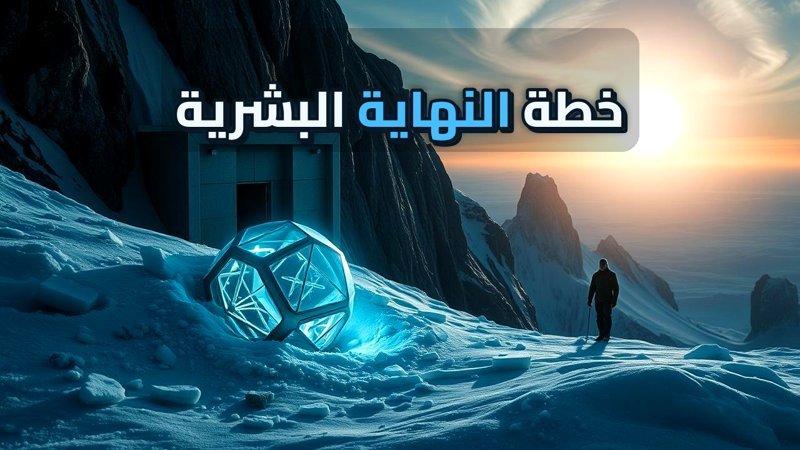
Deep in the frozen Arctic, far from the bustle of life, lies a structure resembling a fortress. It is not a military stronghold, but a symbol of hope. Hidden beneath layers of eternal ice on the island of Svalbard, this massive seed vault serves as a critical backup plan for humanity, designed to preserve the genetic diversity of our food supply should the worst happen.
Navigate Content
Why We Need a Global Seed Vault
Our planet is a complex system of biodiversity where every organism plays a role. When species disappear, the system risks collapse. Factors threatening our food security include:
- Climate Change: Extreme temperatures and rainfall shifts.
- Habitat Loss: Urban expansion destroying natural environments.
- Disease: Pathogens that can wipe out entire staple crops.
- Conflict and Disasters: Wars and natural catastrophes that ruin agricultural land.
Engineering a Fortress for the Future
The construction of the vault was a monumental challenge. Located in Svalbard due to its geological stability and natural cooling, the facility was carved into the heart of a mountain. Key features include:
- State-of-the-art cooling technology to maintain constant temperatures.
- Structural design capable of withstanding earthquakes and rising sea levels.
- A collaborative effort between the Norwegian government and the Bill & Melinda Gates Foundation.
What Lies Inside the Vault
The vault is the culmination of humanity’s agricultural journey. It houses seeds for essential crops like wheat, rice, and corn, alongside a vast array of fruits and vegetables. Each sample represents unique genetic diversity, acting as a biological insurance policy. If a specific crop variety goes extinct in the wild, these seeds provide the key to restoring it.
The Vulnerability of the Last Refuge
Despite its design, the vault is not immune to the very threats it seeks to mitigate. Climate change has caused temperatures in the Arctic to rise, leading to melting permafrost that threatens the facility’s integrity. While maintenance teams have successfully addressed past water leaks, the situation highlights the ongoing struggle to protect our resources in an unpredictable world.
Frequently Asked Questions
Generated by AI Content Architect
About The Author