The Lithium Dossier: Bolivia, Elon Musk, and the Battle for White Gold
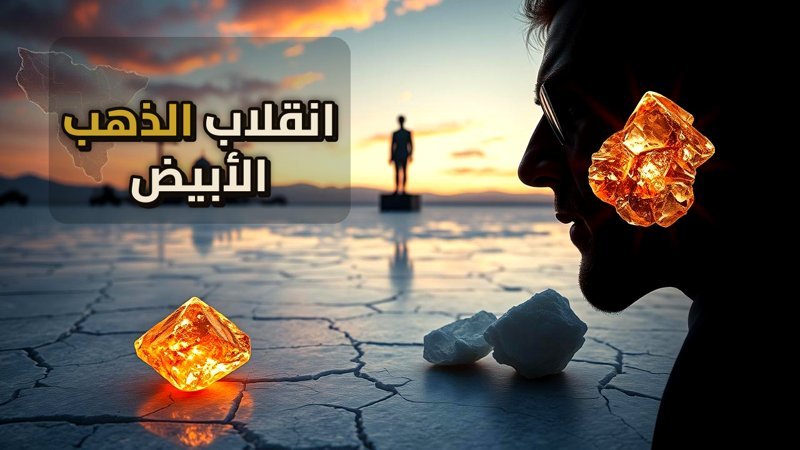
The Lithium Dossier: Bolivia, Elon Musk, and the Battle for White Gold
In November 2019, Bolivia faced a period of intense political upheaval that culminated in the resignation of President Evo Morales. While the world watched the protests, a deeper, more strategic conflict was brewing beneath the surface. This was not merely a local power struggle; it was a battle for the ‘white gold’—lithium—that will define the energy landscape for the next century.
Navigate Content
The Lithium Triangle: A Strategic Center of Gravity
The region connecting Argentina, Bolivia, and Chile, known as the Lithium Triangle, holds between 50% and 70% of the world’s known lithium reserves. This vast expanse, including the stunning Salar de Uyuni, has become the most critical supply chain for the modern era. As the world shifts from the ‘Age of Oil’ to the ‘Age of Batteries,’ this region has become a focal point for global superpowers. For more on how resources have historically dictated conflict, see White Gold: The Forgotten Wars Fought Over Bird Droppings.
Elon Musk and the Politics of Extraction
The controversy reached a boiling point when a user accused Tesla of having a vested interest in the Bolivian coup to secure cheap lithium. Elon Musk’s infamous reply—’We will coup whoever we want! Deal with it’—sparked a global debate about corporate influence in sovereign nations. Whether a joke or a provocation, the comment highlighted a harsh reality:
- The stability of nations is increasingly tied to Silicon Valley’s production needs.
- Corporate scramble for resources can influence political outcomes.
- The demand for lithium is projected to increase by 500% by 2050.
The Chinese Dominance in Refining
While the West debated, China moved with precision. Chinese firms like Ganfeng and Tianqi spent over a decade acquiring stakes in global mines. However, their true power lies in the refining process. China currently controls 80% of the world’s lithium refining capacity, meaning that even if a mine is located in South America, the raw material must often be processed in China. This strategy is a cornerstone of the ‘Belt and Road’ initiative, mirroring other technological control tactics discussed in The Great Firewall: How China Built a Parallel Internet.
Washington’s Response and the New Diplomatic Race
The United States has recently ramped up its efforts to challenge this dominance. Through the 2022 Inflation Reduction Act (IRA), lithium was officially classified as a ‘critical mineral’ vital to national security. Washington is now pressuring automakers to diversify their supply chains and is actively courting South American nations with trade agreements and funding to break the reliance on Chinese-controlled infrastructure.
Frequently Asked Questions
Generated by AI Content Architect
About The Author