The Great Firewall: How China Built a Parallel Internet
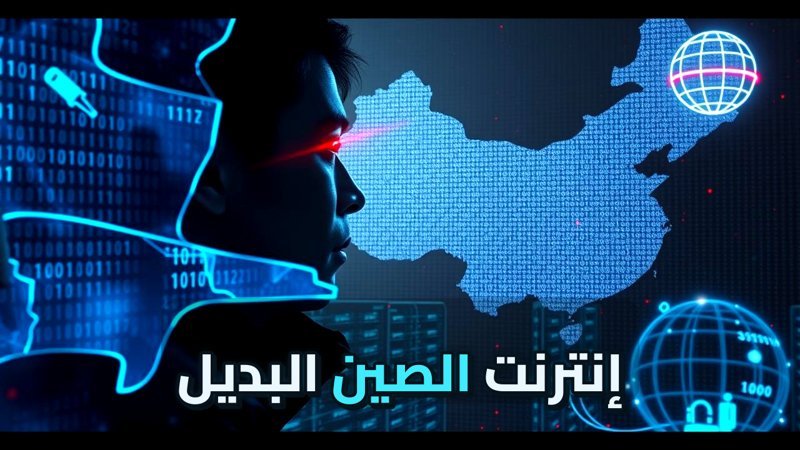
The Great Firewall: How China Built a Parallel Internet
Imagine a nation that decides the open, global internet is not suitable for its citizens and opts to build its own version—a digital realm controlled from the first packet of data to the last. This is the story of China’s ‘Great Firewall,’ a massive infrastructure project that has fundamentally altered how millions interact with the digital world.
Navigate Content
The Origins of the Golden Shield
In the mid-1990s, as China opened its doors to global trade, the internet was initially viewed as a tool for economic growth. However, government concerns regarding ‘harmful information’ and ‘Western cultural influences’ quickly shifted the narrative. To maintain state sovereignty, the government launched the Golden Shield Project, a sophisticated initiative designed to manage and filter the flow of information entering the country.
Engineering the Digital Wall
The Great Firewall is not a single piece of software, but a complex, evolving infrastructure. Key technical methods used to enforce control include:
- IP Address Blocking: Preventing access to specific servers.
- Keyword Filtering: Analyzing traffic for forbidden terms and severing connections.
- DNS Poisoning: Misdirecting users when they attempt to navigate to restricted sites.
Similar to the architectural isolation seen in The Walled City of Kowloon, this digital barrier creates a self-contained environment.
A Constant State of Evolution
The wall is never static. As internet technology advances, so does the infrastructure of the firewall. This has created a perpetual arms race between state censors and users. While the government relies on massive coordination between agencies like the Ministry of Public Security, it also mirrors the complex psychological battles often discussed in The Psychology of Confession, where the state seeks to define the boundaries of acceptable thought.
The Struggle for Access
Despite the wall’s strength, users have consistently sought ways to bypass it. The most common tool is the VPN (Virtual Private Network), which creates an encrypted tunnel for data, effectively hiding the user’s destination from the firewall. This ongoing struggle highlights the tension between global connectivity and national digital sovereignty.
Frequently Asked Questions
Generated by AI Content Architect
About The Author