The Maine Penny Mystery: Did Vikings Reach the Heart of America?
The Maine Penny Mystery: Did Vikings Reach the Heart of America?
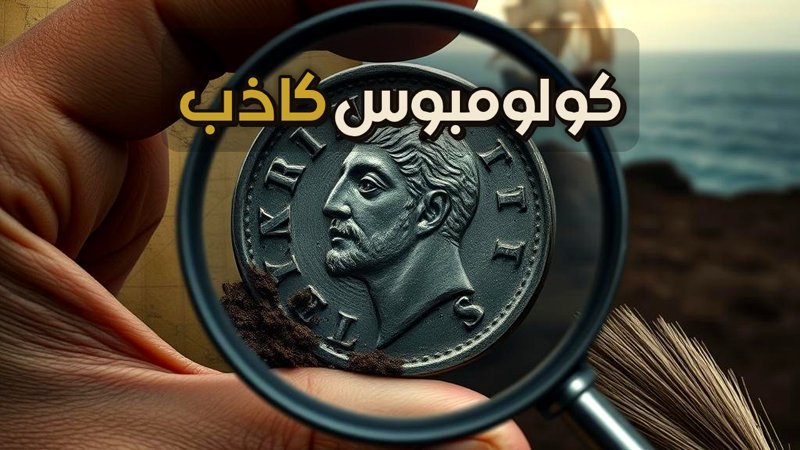
In 1957, an amateur archaeologist unearthed a small silver coin at the Goddard site in Maine. This seemingly insignificant discovery would eventually spark a debate that forces us to reconsider the timeline of human exploration and the true extent of Viking contact with the North American continent long before Columbus.
Navigate Content
The Discovery at Goddard
Guy Mellgren, while excavating a known indigenous trading hub in Maine, stumbled upon a metal object he initially dismissed as an 18th-century English coin. It remained tucked away for years, unrecognized, until scientific scrutiny revealed its true origin. This discovery mirrors other historical enigmas, such as The Voynich Manuscript, where artifacts wait patiently for the right technology to reveal their secrets.
Scientific Verification: The Olaf Kyrre Penny
In 1978, expert analysis confirmed the coin was not British, but a silver penny minted during the reign of King Olaf Kyrre (1067–1093 AD). This ‘fingerprint’ of history proves that Norse influence reached far beyond the initial landing points. Much like the artifacts discussed in The Roman Dodecahedron: 100 Artifacts That Defy History, this coin serves as a physical bridge between civilizations that were once thought to be completely isolated.
Beyond Vinland: The Viking Settlement
While the Maine Penny is a mystery, the Viking presence in North America is a confirmed reality. In the 1960s, excavations at L’Anse aux Meadows in Newfoundland uncovered:
- Remains of Norse-style houses
- Iron working tools
- Evidence of a weaving loom
These findings confirm that Leif Erikson and his kin established a foothold in the New World 500 years before Columbus, driven by a desire for resources and new trade routes.
Trade Networks and the Mystery of Distance
The central question remains: How did a Norwegian coin travel over a thousand miles south of the known Viking settlement? The answer likely lies in the sophisticated trade networks of indigenous peoples. These societies were not isolated; they maintained complex systems of barter that moved goods across vast distances. This interconnectedness is a recurring theme in human history, similar to the economic reach explored in Mansa Musa’s Journey: The Economic Crime That Crashed Cairo.
Frequently Asked Questions
Generated by AI Content Architect
About The Author