The Dancing Plague of 1518: A Deadly Medical Miscalculation

The Dancing Plague of 1518: A Deadly Medical Miscalculation
In the summer of 1518, the city of Strasbourg witnessed one of the most inexplicable events in human history. What began as a singular, frantic dance by one woman spiraled into a lethal contagion that gripped hundreds, ultimately turning the city’s streets into a site of profound suffering and death.
Navigate Content
The Unstoppable Contagion
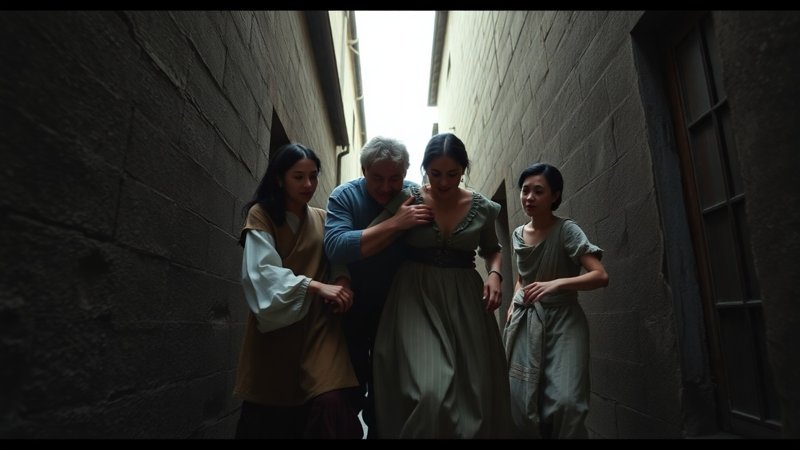
It began with Frau Troffea, who stepped into the street and commenced a relentless, involuntary dance. Without music or cause, her frantic movements continued for days. Soon, the behavior proved contagious. Within a week, 30 others joined, and within a month, over 400 citizens were trapped in a state of
- involuntary motion
- extreme physical exhaustion
- total systemic failure
. It was a harrowing sight that defied the comprehension of families who watched their loved ones spin in agony.
A Deadly Medical Error
Panic prompted the city council to consult the leading physicians of the era. Misguided by the concept of ‘hot blood’ or ‘internal fever,’ they concluded that the only cure was for the afflicted to dance the ‘toxins’ out of their bodies. Instead of isolation or rest, the authorities actively fueled the tragedy by:
- Constructing wooden dancing platforms
- Hiring professional musicians to keep the tempo
- Employing laborers to force the exhausted to continue moving
The High Price of Ignorance
The intervention was catastrophic. Rather than curing the citizens, the environment of loud music and forced movement pushed bodies to the breaking point. Mortality spiked, with records indicating up to 15 deaths per day from heart attacks, strokes, and fatal exhaustion. This event serves as a grim historical parallel to other mysteries, such as the 1915 Encephalitis Lethargica outbreak, where medicine struggled to address the inexplicable.

Historical Context and Legacy
The Dancing Plague of 1518 remains a subject of intense historical debate, often categorized alongside other unsolved mysteries. While modern theories point to mass psychogenic illness, the tragedy highlights how societal panic and antiquated science can combine to create a man-made disaster. Understanding the limits of historical medical authority is essential when studying the intersection of human psychology and public health crises.
Frequently Asked Questions
Generated by AI Content Architect
About The Author