Damnatio Memoriae: The Engineering of Oblivion in Ancient History

Damnatio Memoriae: The Engineering of Oblivion in Ancient History
Physical death is often seen as the end, but in the realm of power dynamics, there is a second, far more profound death. Today, we explore the ‘engineering of oblivion’—the strategic process by which authorities attempt to erase an individual’s existence from the annals of history entirely.
Navigate Content
The Concept of Damnatio Memoriae
The Romans termed this practice Damnatio Memoriae, or the ‘curse of memory.’ Unlike natural oblivion caused by the passage of time, this was a ‘manufactured’ erasure.
- Orders to shatter statues.
- Demands to excise names from official texts.
- A demonstration of the state’s power to ‘edit reality.’
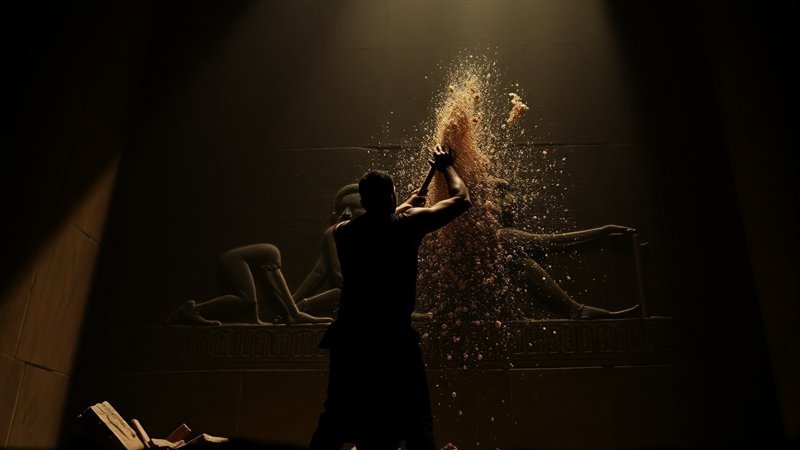
Akhenaten and the Egyptian Soul
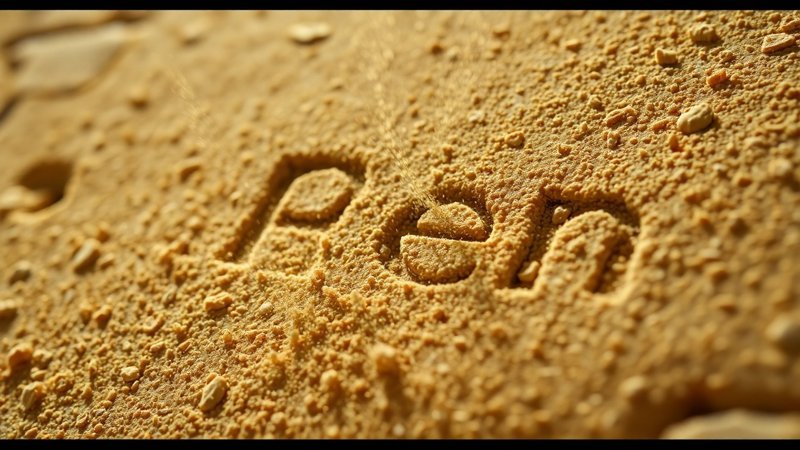
In ancient Egypt, erasure was deeply tied to the soul. They believed the Ren (Name) was an essential component of one’s existence. By scraping the name of Akhenaten from temple walls, successors sought to deny him his place in the afterlife, effectively killing him for a second time.
Roman Bureaucracy and the Erasure of Geta
Rome transformed erasure into a cold, administrative procedure. When Emperor Caracalla ordered the Damnatio Memoriae of his brother Geta, the entire Empire acted as a machine:
- Soldiers and civil servants ‘purified’ records.
- Statues were defaced or recarved.
- Coins bearing his image were melted down to ensure no trace remained.
The Paradox of the Void
Violent attempts to erase memory often create an inverse effect. The very ‘gaps’ left by chisels on stone walls or scraped-out papyrus serve as historical beacons. Much like the mysteries surrounding the Maya collapse, the voids left behind compel us to investigate exactly what the authorities were so afraid to leave in the public consciousness.
Frequently Asked Questions
Generated by AI Content Architect
About The Author