A Smile is Not Always Kind: Why Your Face is Your Most Dangerous Weapon
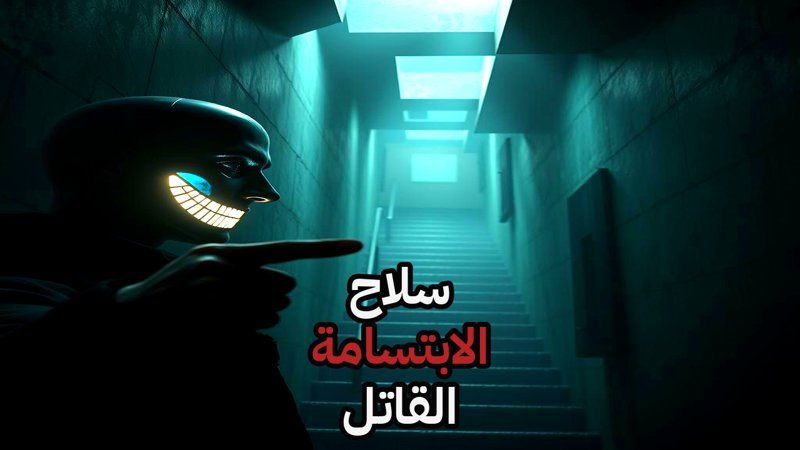
A Smile is Not Always Kind: Why Your Face is Your Most Dangerous Weapon
We are taught from childhood that a smile is a universal sign of warmth and kindness. However, in the realm of high-stakes social dynamics, the face is often a mask used to conceal intent. Your facial expressions are not just reflections of emotion; they are the most dangerous weapons you possess, capable of disarming opponents and exerting influence without a single word spoken.
Navigate Content
The Anatomy of a Weaponized Smile
A genuine smile involves the eyes, but a weaponized smile is often a calculated performance. By mastering the weaponized smile, individuals can create a false sense of security in others. This is a core component of the mirror code, where mirroring someone’s expressions builds rapid, artificial rapport to lower their defenses.
Psychological Control and Social Dominance
Your face acts as a primary interface for psychological warfare. When you control your expressions, you control the narrative of the interaction. Consider these tactics often used in manipulation:
- Strategic Silence: Using a neutral, unreadable face to force others to fill the void.
- The Triangular Gaze: A technique explored in the triangular gaze to assert dominance.
- Calculated Warmth: Using a smile to mask aggressive intent during negotiations.
The Chemistry of Facial Manipulation
The reason these tactics work lies in our biology. When you present a friendly face, you trigger a hormonal response in the observer that inhibits their critical thinking. This is closely linked to the chemistry of control, where your ability to remain calm—or appear so—forces the other person into a state of physiological stress, making them more susceptible to your influence.
Defending Against the Mask
Recognizing that a smile can be a weapon is the first step toward immunity. Many manipulative tactics, such as love bombing, rely heavily on the weaponization of positive facial cues to trap victims. By staying aware of the disconnect between a person’s words and their micro-expressions, you can protect yourself from being manipulated by those who have mastered the art of the false facade.
Frequently Asked Questions
Generated by AI Content Architect
About The Author