The Chemistry of Control: How Stress Hormones Betray Your Logic

The Chemistry of Control: How Stress Hormones Betray Your Logic
Have you ever felt your brain go numb during a tense confrontation, leaving you unable to form a coherent thought? This isn’t a failure of intelligence; it is a calculated chemical assassination. By understanding how cortisol hijacks your prefrontal cortex, you can learn to defend your mind against those who use biological triggers to exert control.
Navigate Content
The Chemical Hijack: When Your Body Becomes a Traitor
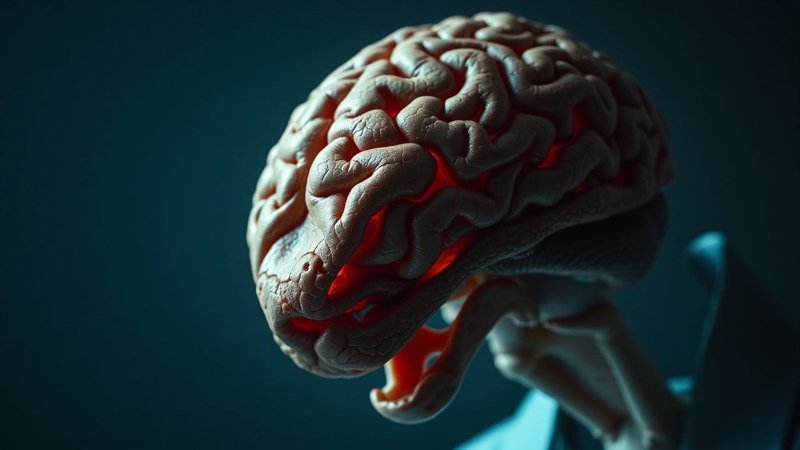
Your body contains a survival mechanism that can easily be weaponized against you. When you face a dominant predator, your adrenal glands release cortisol, which acts as a chemical toxin to your reasoning centers. Think of it as a riot in your brain:
- The prefrontal cortex (logic) is suppressed.
- The limbic system (primal emotion) takes the wheel.
- Your body enters a state of ‘freezing’ rather than fight or flight.
This biological reaction is often what leads people to agree to terms they will later regret, simply to silence the internal ‘thug’ of stress.

The Weaponization of Silence
Manipulators are experts at injecting cortisol into their targets through deliberate, heavy silence. By withholding speech and staring coldly, they force your brain to fill the void with panic. If you want to understand the mechanics behind this, read more about Psychological Warfare: Using Silence to Break Your Opponent. This isn’t just awkwardness; it is a prison made of hormones that stifles your ability to speak clearly.
Organized Confusion and the Fog of Submission
To maintain dominance, manipulators create an unpredictable environment. They shift tones, invade personal space, or use micro-gestures to keep your brain in a state of high alert. This constant distress signals your body to secrete more cortisol, which corrupts your memory and leaves you in a mental ‘fog.’ This is how Dark Body Language is used to erode your confidence, making you feel weak long after the interaction has ended.
Breaking the Pavlovian Response
Over time, these confrontations create a conditioned response. Just as Pavlov’s dog reacted to a bell, you may find your cortisol spiking at the sound of a specific person’s keys or the sight of a certain face. To counter this, you must prioritize chemical stability. Developing the ability to remain calm in the face of pressure is the only way to shield your cognitive centers. For deeper insights on how these patterns manifest, explore Intermittent Reinforcement: The Dark Secret of Biological Slavery.
Frequently Asked Questions
Generated by AI Content Architect
About The Author