Tactical Withdrawal: The Psychological Power of Management by Absence
Tactical Withdrawal: The Psychological Power of Management by Absence
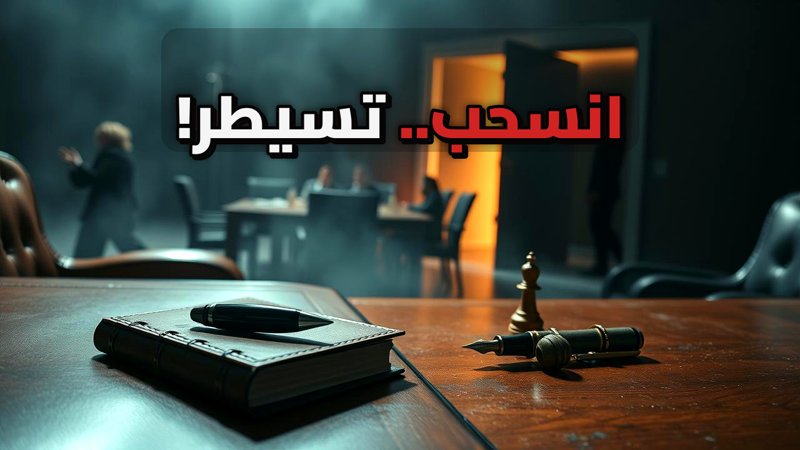
In high-stakes environments, true power is often found not in the loudest voice, but in the calculated exit. Tactical withdrawal is a sophisticated psychological maneuver that transforms a participant into an ‘absent authority,’ forcing others to grapple with the void left behind.
Navigate Content
The Anatomy of a Tactical Withdrawal
A tactical withdrawal is fundamentally different from fleeing. While fleeing is a reaction to fear, a withdrawal is a deliberate action aimed at creating a specific outcome. By leaving at the moment of peak tension, you remove the ‘equilibrium’ from the room, forcing others to navigate the uncertainty of your absence. This is closely related to the concepts explored in The Law of Dead Time, where controlling the rhythm of a negotiation is key to victory.
Why the Mind Hates an Open Loop
Human psychology is wired to despise ‘open loops.’ When you exit suddenly, you become an unfinished story. The group is forced to fill the void, often inventing motives for your departure that align with their own anxieties. This phenomenon is similar to the psychological triggers discussed in The Psychology of Silence, where the absence of information compels others to reveal their own hand.
Mastering the Exit: The Three Pillars
To execute this maneuver effectively, you must master three specific techniques:
- The Slow Pack: Calmly gathering your belongings signals that you have mentally detached from the current debate.
- Low-Frequency Control: Using a calm, low tone when announcing your departure commands immediate attention and breaks the noise of the room.
- The Look of Pity: A brief, detached gaze at your opponent leaves them feeling unsettled and vulnerable to your perceived superior perspective.
Commanding Presence Through Absence
Once the door closes, your influence actually increases. The group begins to ‘invent’ your opinions, defending viewpoints they assume you hold just to soothe the tension you left behind. This is a form of The Empty Chair Minefield, where the space you occupied continues to exert pressure on the decision-making process long after you have physically departed.
Frequently Asked Questions
Generated by AI Content Architect
About The Author