Mansa Musa’s Journey: The Economic Crime That Crashed Cairo
Mansa Musa’s Journey: The Economic Crime That Crashed Cairo
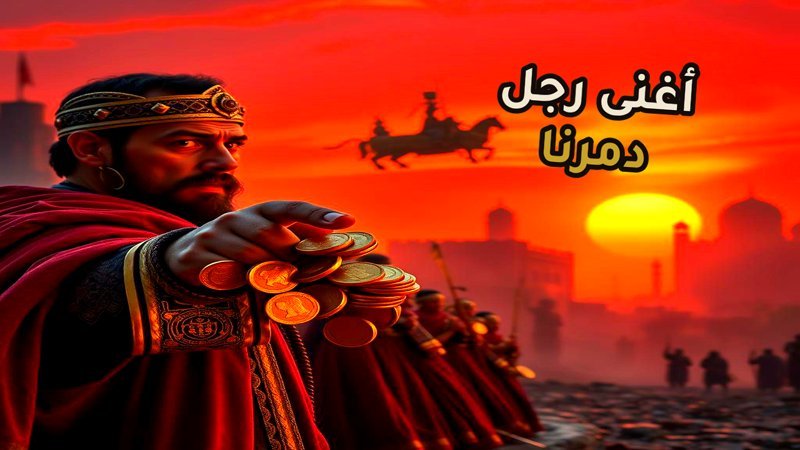
In 1324, the streets of Cairo witnessed an event that defied economic logic. A visiting king from Mali, Mansa Musa, arrived with such immense wealth that his generosity triggered a liquidity crisis, causing the price of gold to plummet and inflation to skyrocket. This wasn’t just a royal visit; it was an unintentional economic crime that left historians like Al-Maqrizi baffled for centuries.
Navigate Content
A Caravan of Legends
Mansa Musa’s journey was not merely a pilgrimage; it was a display of imperial power. The caravan consisted of 60,000 people, including 12,000 servants dressed in fine Persian silk. The logistical scale was unprecedented:
- 80 camels each carrying 135kg of gold dust.
- Mobile warehouses for grain and livestock.
- A massive administrative apparatus moving through the Sahara.
This wasn’t just a procession; it was the mobile treasury of an empire, a spectacle that echoes the themes found in The Amarna Archive regarding ancient royal wealth.
The Economic Impact of Unchecked Generosity
The influx of gold into Cairo was so sudden that the market could not absorb it. Merchants who controlled trade from the Atlantic to the Gulf found themselves in a bizarre crisis: gold was everywhere, yet its purchasing power vanished. This phenomenon serves as a historical lesson on how sudden liquidity shifts can destabilize even the most powerful states. Much like the psychological traps discussed in The Psychology of Anchoring, the market’s perception of value was completely shattered by the sheer volume of gold.
Clash of Sovereignties: The Mamluk Encounter
Upon reaching Cairo, Mansa Musa faced a diplomatic standoff with Sultan Al-Nasir Muhammad ibn Qalawun. The Mamluk protocol demanded that visitors prostrate themselves before the Sultan. Musa, a king who commanded absolute reverence in his own lands, refused. He famously declared, ‘I do not prostrate except to God who created me.’ This moment highlights the tension between two competing world powers, a theme often explored in studies of The Vulnerability of High Ego.
From Riches to Borrowing
The irony of the journey is profound. Mansa Musa began his trip distributing gold to the poor and merchants alike, yet by the time he prepared to return to Mali, he had exhausted his liquid reserves. He was forced to borrow money from Cairo’s merchants at high interest rates to fund his journey home. This reversal of fortune serves as a stark reminder of the volatility of wealth, a concept that mirrors the cautionary tales found in The Hope Diamond.
Frequently Asked Questions
Generated by AI Content Architect
About The Author