The Walls of Sacsayhuamán: Ancient Engineering That Defies Earthquakes

The Walls of Sacsayhuamán: Ancient Engineering That Defies Earthquakes
When a powerful earthquake strikes Cusco, Peru, modern buildings often crumble, but the ancient walls of Sacsayhuamán remain untouched. These massive, mortarless structures have puzzled engineers for centuries, standing as a testament to a lost mastery of geological mechanics. How did an ancient civilization construct a self-repairing seismic system without the aid of modern technology?
Navigate Content
The Engineering Marvel of Polygonal Masonry
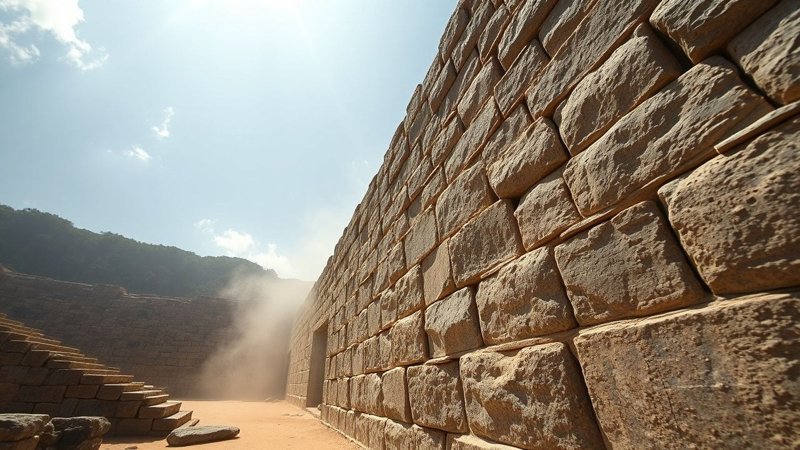
The secret behind the survival of these walls lies in their geometry. Rather than using uniform square blocks, the ancient builders utilizedpolygonal stones that interlock like a complex, three-dimensional jigsaw puzzle.
- Each stone is uniquely shaped, often with 12 or more angles.
- The lack of mortar allows for micro-movements during seismic activity.
- The structure functions as a flexible, adaptive organism rather than a rigid barrier.
For those fascinated by ancient construction feats, it is worth comparing these methods to the architectural enigmas explored in Pumapunku: Decoding the Engineering Secrets of Ancient Tiwanaku.
Stones That Dance: The Seismic Secret
The walls of Sacsayhuamán utilize the stones as literal shock absorbers. During a tremor, the rocks shift, separating just enough to dissipate the energy of the earthquake before gravity pulls them back into their original, perfect alignment. This ‘dancing’ motion prevents the cumulative stress that leads to structural collapse in modern masonry. It is a brilliant, passive-energy management system that puts contemporary anti-seismic technology to shame.
Technology Beyond the Chisel
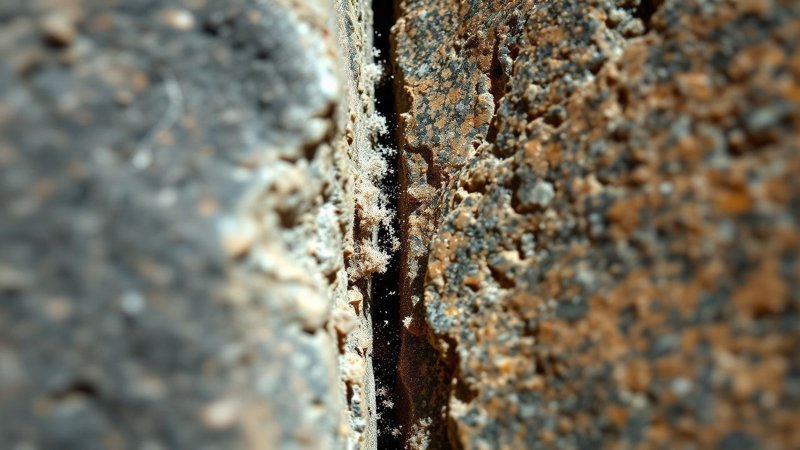
The texture and precision of these stones—some weighing up to 120 tons—defy traditional notions of stone-age labor. The surface is smooth and uniform, appearing as if the granite was molded like clay rather than chipped away by metal tools. This implies a level of technological advancement that has been lost to history. Just as we struggle to explain the methods behind The Delhi Iron Pillar: Ancient Technology or Lost Science?, the precision at Sacsayhuamán suggests a ‘missing link’ in our understanding of human capability.
Why History Books May Be Deceptive
The stark contrast between the surviving Inca stonework and the crumbled Spanish colonial churches built on top of them provides a sobering lesson. Modern architecture is built for rigidity, which proves fatal during tectonic shifts. The ancients, however, understood the ‘language of the earth.’ Their mastery over their environment challenges the narrative that humanity simply progresses in a linear line of technological advancement. Perhaps, like the mysteries surrounding The King Who Carved Paradise into Rock: The Mystery of Lalibela, there is much more to our history than current textbooks acknowledge.
Frequently Asked Questions
Generated by AI Content Architect
About The Author