The Cursed Pharaoh: Why History Tried to Erase Akhenaten
The Cursed Pharaoh: Why History Tried to Erase Akhenaten
Navigate Content
The Religious Coup Against the Old Order
When the slender Amenhotep IV ascended the throne, he did more than just worship the sun; he dismantled the institution of Amun-Ra, which controlled a third of Egypt’s land. This was the first recorded conflict between religious authority and absolute political power. To understand the depth of this shift, one must look at how political surrender often disguises itself as spiritual reform.
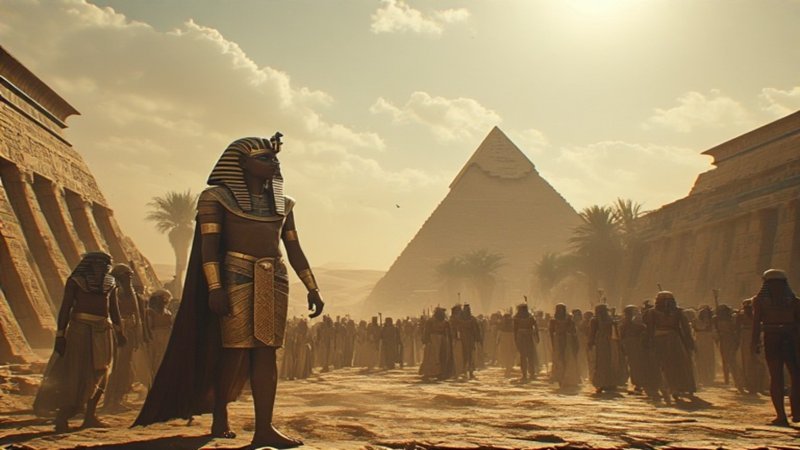
Akhetaten: A City Built on Idealism or Ego?
- Abandoned the ancestral capital, Thebes.
- Constructed ‘Akhetaten’ in the middle of the desert.
- Neglected urgent military pleas from Canaan and Syria.
By prioritizing his new creed over the security of the Egyptian Empire, Akhenaten showcased a tension between ‘lethal idealism’ and ‘political realism.’ His actions echo the patterns often seen in those with a Messiah Complex, where the leader believes their personal vision supersedes the survival of their people.
The Soft Coup: Divinity as a Weapon
Akhenaten was not merely seeking a new path to the divine; he was centralizing all power into his own hands. By making himself the sole intermediary between the people and the Aten, he achieved a level of dominance that previous warrior pharaohs could never dream of. This strategy is a masterclass in psychological manipulation, proving that controlling the ‘unseen’ is the most effective way to control reality.
The Propaganda of Aesthetics
The unique artistic style of the Amarna period—protruding bellies and feminine limbs—was not just a result of genetic anomaly. It was political propaganda. By altering the visual representation of the Pharaoh, he sought to reprogram the Egyptian mind. To understand how leaders reshape public perception, one might compare his tactics to the manipulative techniques used by modern figures to command devotion.
The Erasure of the Apostate
Upon his death, the purge was swift. His successors, including Tutankhamun, were forced to renounce his reforms. The army, led by Horemheb, dismantled Akhetaten stone by stone. They feared what he taught: that the gods were not infallible and that the global systems of the time could be shaken to their very core.
Frequently Asked Questions
About The Author