1816: The Year Without a Summer—How a Distant Volcano Altered History
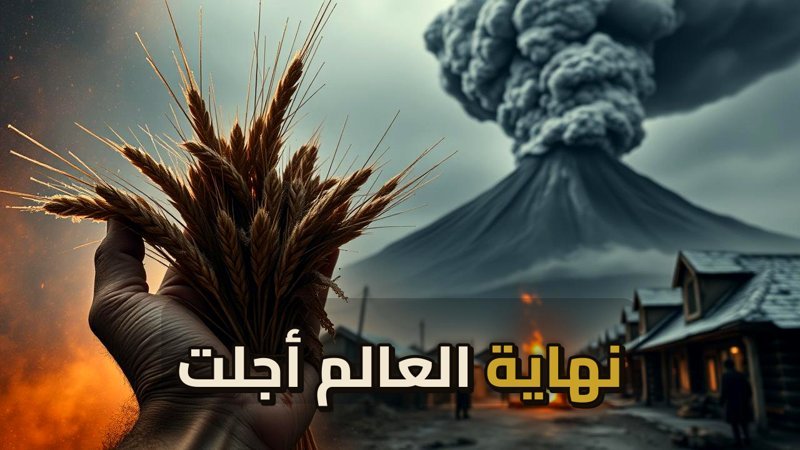
1816: The Year Without a Summer—How a Distant Volcano Altered History
Imagine the year is 1816. In Europe, people are wearing heavy winter coats in July, lighting fires to stay warm, and watching their crops wither in the frozen soil. This wasn’t a natural cycle, but the catastrophic aftermath of a volcanic eruption thousands of miles away. The 1815 explosion of Mount Tambora in Indonesia remains the most powerful volcanic event in recorded history, and its reach changed the course of human civilization.
Navigate Content
The Day the Sun Disappeared
The eruption of Mount Tambora propelled massive quantities of ash and sulfur into the upper atmosphere. This volcanic veil obscured the sun, leading to the infamous ‘Year Without a Summer.’
- Global Cooling: Average global temperatures dropped significantly.
- Agricultural Failure: Wheat and corn crops failed across Europe and North America.
- Economic Crisis: Food prices skyrocketed, turning basic staples into luxury items.
From Hunger to Political Rage
As starvation gripped the continent, the desperation of the masses turned into violent public anger. Rumors of food hoarding by the elite and merchants spread like wildfire, fueling riots in major cities like Paris and London. This period of instability mirrors other historical collapses, much like The Last Cry of the King of Ugarit: How the Bronze Age Collapsed, where environmental stressors pushed societies to their breaking point.
Exploiting the Crisis
Political factions saw the chaos as a golden opportunity to challenge weakened governments. By amplifying public discontent, these groups pushed for radical systemic changes. The crisis proved that when basic needs are not met, the social contract dissolves. This manipulation of public fear is a recurring theme in history, similar to the tactics discussed in The Savior Complex: How Manipulators Engineer Crises to Control You.
A New World Order
The famine forced nations to rethink their survival strategies. With the remnants of the Napoleonic Wars still fresh, states had to pivot from territorial expansion to food security. This shift in priorities altered the power dynamics of the 19th century, forcing nations to consider international cooperation to survive future environmental threats—a precursor to modern efforts like The Svalbard Global Seed Vault: Humanity’s Final Backup Plan.
Frequently Asked Questions
Generated by AI Content Architect
About The Author