The Nazca Lines: Ancient Astronomy or Ritual Prayers?
The Nazca Lines: Ancient Astronomy or Ritual Prayers?
In 1939, archaeologist Paul Kosok discovered a series of massive, precisely drawn lines in the Peruvian desert that would forever change our understanding of ancient civilizations. These sprawling geoglyphs, invisible from the ground, represent a feat of engineering that continues to baffle researchers and historians alike.
Navigate Content
A Discovery from the Sky
While flying over the Peruvian plateau, Paul Kosok noticed thin, straight lines that converged into distinct shapes, including a massive spider and a hummingbird. The sheer scale of these drawings—some spanning over 90 meters—posed a fundamental question: how could a civilization without flight create such perfect, large-scale murals? This discovery is often compared to other ancient enigmas, such as the Voynich Manuscript, which also challenges our perception of ancient knowledge.
Engineering the Desert Floor
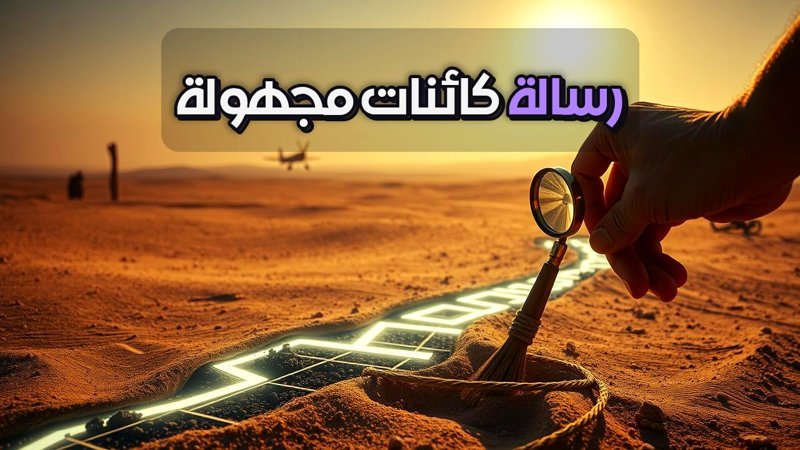
The Nazca people were master engineers who utilized the unique geology of their environment. The process was surprisingly simple yet effective:
- The desert surface is covered in dark, sun-baked stones.
- By scraping away this top layer, they revealed lighter-colored sand beneath.
- Using wooden stakes and ropes, they achieved stunning geometric precision.
This method allowed them to create permanent markers in a region where rain and wind are virtually non-existent.
Maria Reiche: The Guardian of the Lines
The preservation of these lines is largely due to Maria Reiche, a German mathematician who dedicated her life to the site. Living in a small hut without modern amenities, she spent decades sweeping the lines with a simple broom to keep them clear. Her work, much like the dedication seen in The Winchester Mystery House, turned a local curiosity into a globally recognized human heritage site.
Astronomy or Survival?
Reiche proposed that the lines functioned as a giant astronomical calendar, mapping the movement of constellations like the Big Dipper to predict seasonal changes and rainfall. However, some researchers argue that these lines were primarily ritualistic ‘prayers’ for water. This debate highlights the intersection of science and faith in ancient cultures, similar to the technological mysteries found in The Baghdad Battery.
Frequently Asked Questions
Generated by AI Content Architect
About The Author