The Mormon Civilization Mystery: Archaeology vs. Ancient Texts
The Mormon Civilization Mystery: Archaeology vs. Ancient Texts
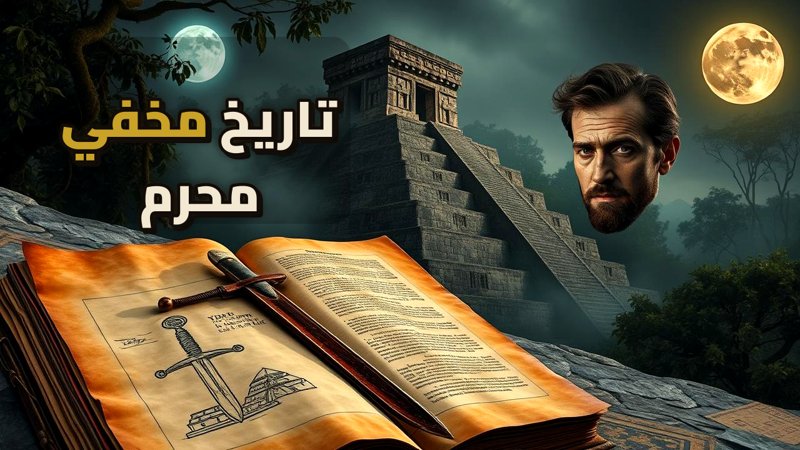
In 1839, the discovery of ancient Mesoamerican ruins by John Lloyd Stephens and Frederick Catherwood sent shockwaves through the American religious landscape. For the followers of Joseph Smith, these colossal pyramids were not just archaeological wonders; they were the physical proof of the Book of Mormon. This article examines the intersection of faith, exploration, and the scientific reality of the ancient Americas.
Navigate Content
The Discovery That Sparked a Religious Quest
When Stephens published his detailed illustrations of Maya ruins, American society was captivated. Joseph Smith, founder of the Mormon movement, interpreted these findings as confirmation of his 1830 text. The narrative suggested that a group of migrants from Jerusalem, the ‘Nephites,’ had built a sophisticated civilization in the Americas, complete with temples modeled after Solomon’s Temple. This belief system linked the indigenous peoples of the Americas to a specific biblical migration, a theory that would drive decades of intense research.
Archaeological Contradictions and Scientific Reality
Despite the enthusiasm, modern archaeology presents significant challenges to these claims:
- Metallurgy: The Book of Mormon mentions iron and steel swords, yet no such artifacts or smelting furnaces have been found in Mesoamerican sites.
- Fauna: The text describes horses, elephants, and cattle, but biological evidence confirms these species were either extinct or absent in the Americas until the arrival of the Spanish.
- Linguistics: The ‘Reformed Egyptian’ language claimed by Smith bears no resemblance to the complex hieroglyphic systems of the Maya.
The Thomas Ferguson Experiment
In the 1950s, lawyer Thomas Ferguson sought to bridge the gap between faith and science. He founded the New World Archaeological Foundation (NWAF) with the goal of proving the Book of Mormon through excavation. While the foundation contributed significantly to our understanding of Mesoamerican history, it ultimately failed to produce the specific evidence required to validate the religious narrative, leading to a complex legacy in both archaeology and theology. For more on the mystery of ancient civilizations, see The Ruins of the Monkey God: The Curse of the White City.
Frequently Asked Questions
Generated by AI Content Architect
About The Author