The Krubera Cave Dossier: Descending 2,197 Meters Underground
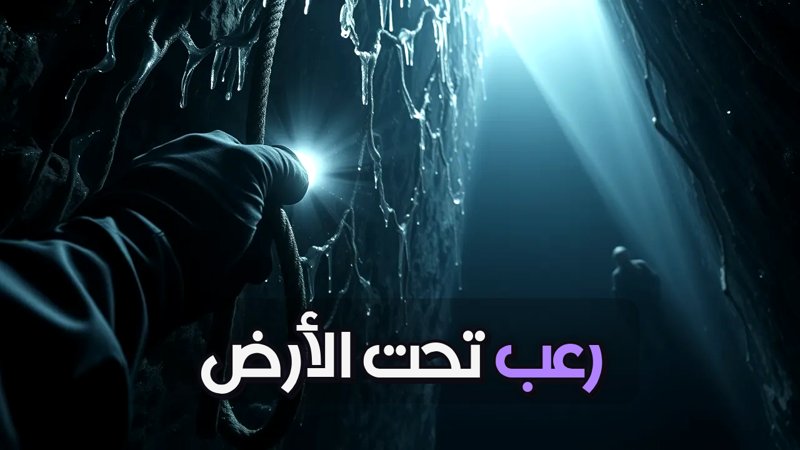
The Krubera Cave Dossier: Descending 2,197 Meters Underground
In the Arabika massif in Abkhazia, a narrow fissure in the ground serves as the gateway to a pathway plunging 2,197 meters into the Earth. Known as Krubera Cave or Voronja, this subterranean abyss represents the pinnacle of extreme vertical caving and human endurance.
Navigate Content
Discovery and the Naming of Krubera
In 1960, Georgian explorers stumbled upon the narrow rock opening, initially descending to a modest 95 meters. Named ‘Krubera’ to honor Alexander Krubera, the founding father of Russian speleology, the site was also called Voronja (Cave of Crows) due to the nesting crows near its entrance. For decades, it remained an ordinary shaft until Ukrainian speleologists turned the 2,000-meter barrier into their personal space race.
The Brutal Reality of Vertical Caving
Descending into Krubera is not hiking; it is vertical caving. Explorers spend days suspended on ropes, navigating vertical cliffs with nowhere to rest their feet. Key environmental challenges include:
- Absolute darkness after the 100-meter mark.
- Near-freezing temperatures and 100% humidity.
- The constant, echoing roar of hidden subterranean waterfalls and dripping water.
Surviving the Underground Siege
Reaching the bottom requires treating the descent like a long-term military siege. Explorers establish fixed camps at depths of 700 and 1,200 meters. Over time, psychological pressures such as ‘cave fever’ set in as the human body loses its biological clock in total darkness. Sleep becomes elusive, and survival depends on endurance, canned energy sources, and sheer mental toughness.
Sump Diving and Breaking the Record
When passages completely narrow and fill with water, explorers face deadly water sumps. In 2004, an international team led by the Ukrainian Speleological Association utilized advanced sump diving techniques to push past 1,980 meters. By diving into murky, pitch-black water wearing heavy gear, they pushed gauges to 2,080 meters and eventually 2,197 meters, shattering all previous subterranean limits. Much like exploring historical mysteries such as the Altamira Caves, uncovering Earth’s subterranean secrets demands immense sacrifice.
Frequently Asked Questions
Generated by AI Content Architect
About The Author