File No. 1920: The True History of Queimada Grande Island
File No. 1920: The True History of Queimada Grande Island
Navigate Content
The Mystery of the 1920 Lighthouse Disappearance
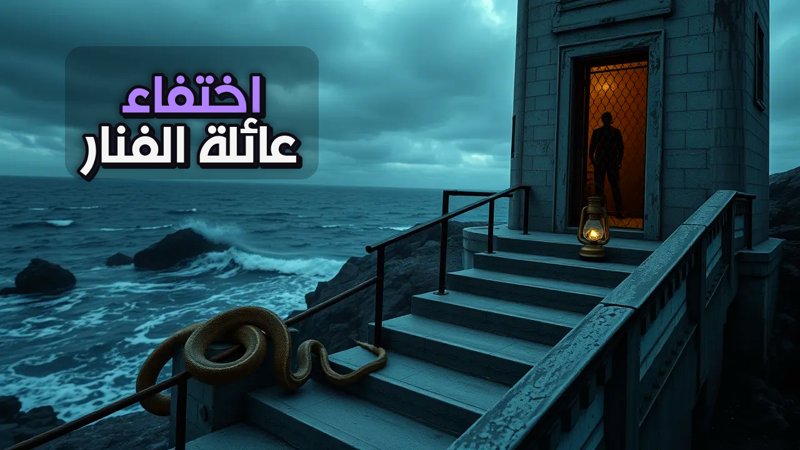
In the summer of 1920, the light signal of the Queimada Grande lighthouse suddenly and unexpectedly went out. The Brazilian Navy dispatched a supply ship to investigate the site. Upon arrival, sailors found:
- No distress signals or any movement on the stone steps.
- The lighthouse unlit with doors wide open.
- The entire family managing the site completely vanished without a trace.
Naval logs confirmed there were no signs of an attack, struggle, or fire, prompting the government to fully automate the lighthouse and eliminate permanent human presence. This eerie event shares historical weight with other maritime enigmas, much like the autonomous wanderings seen in The Baychimo File: 38 Years of Autonomous Navigation in Ice.
Geographical Isolation and the Last Ice Age
To understand how this isolated rock transformed into a strict and closed ecosystem, we must look back about 11,000 years to the end of the last Ice Age. Queimada Grande was not always an island; it was a high hill directly connected to the Brazilian mainland.
As melting ice raised ocean water levels, the low-lying lands flooded, completely detaching the hill. Similar dramatic sea-level changes and ancient geological upheavals have shaped many isolated landscapes across history, echoing events explored in studies like Sea Level Rose 20 Meters in 350 Years: The Truth Behind Floods.
Evolution of the Golden Lancehead Viper
With an area of about 430,000 square meters, the newly formed island trapped various creatures. Small mammals and terrestrial prey eventually declined and disappeared, leaving reptiles with no continuous food source except migratory birds.
This environmental pressure forced the Golden Lancehead vipers (*Bothrops insularis*) to undergo a decisive genetic modification:
- Venom evolved to be about five times faster than mainland relatives.
- The biological composition instantly paralyzes birds’ nervous systems.
- Prevents prey from flying away and falling uselessly into the deep ocean.
The Failed Agricultural Attempts and ‘The Great Fire’
The island’s name, ‘Queimada Grande,’ literally translates to ‘the burn’ in Portuguese. In the late nineteenth and early twentieth centuries, farmers and investors attempted to clear the dense tropical forest to establish commercial banana plantations by setting fires.
However, the fire failed to eliminate the snakes, which merely retreated to rocky areas and tall trees. Workers encountered venomous vipers along every path, rendering the project entirely impractical and cementing the island’s fearsome reputation.
Frequently Asked Questions
About The Author