The Battle of Los Angeles 1942: The Night of the Metallic Ghost
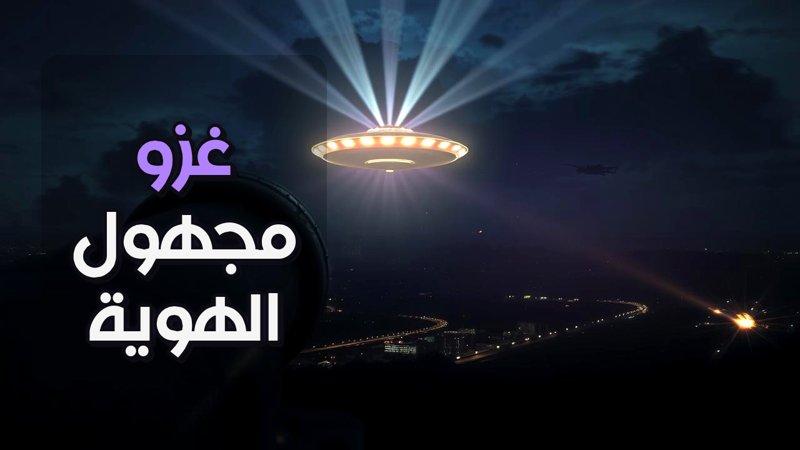
The Battle of Los Angeles 1942: The Night of the Metallic Ghost
In February 1942, just weeks after the attack on Pearl Harbor, Los Angeles was a city on the brink of panic. The atmosphere was thick with the fear of an imminent Japanese invasion, leading to a total blackout that turned the city into a dark, silent stage. What followed in the early hours of February 25th remains one of the most baffling events in American history—a night where the military unleashed a barrage of fire against an enemy that seemingly did not exist.
Navigate Content
A City Under Siege
The tension in Los Angeles was palpable following the shelling of an oil refinery in Ellwood. Citizens lived in constant fear, adhering to strict blackout protocols. The silence of the night was shattered at 2:25 a.m. when radar detected an unidentified object approaching the coast. This event, often compared to other historical enigmas like The Wow! Signal, triggered a massive military response.
The Great Artillery Barrage
By 3:06 a.m., the sky over Los Angeles transformed into a chaotic display of light and sound. Key facts about the engagement include:
- Over 1,440 anti-aircraft shells were fired in one hour.
- Searchlights converged on a stationary, featureless object.
- The sky glowed with an eerie orange hue, illuminating the city streets.
Despite the intensity of the fire, the object remained unmoved, appearing as a metallic ghost in the night sky.
The Aftermath of Friendly Fire
As the sun rose, the city braced for the discovery of downed enemy aircraft. Instead, they found a ‘clean’ ground. The only destruction was caused by the military’s own shells raining back down on the city. This tragic irony mirrors the confusion seen in other historical anomalies, such as The Dancing Plague of 1518, where mass hysteria led to real-world consequences.
A Legacy of Doubt
The toll of the night was heavy: five civilians lost their lives, and significant property damage occurred across Culver City and beyond. The lack of physical evidence—no wreckage, no pilot bodies, and no fuel traces—left the public and historians questioning the official narrative. Was it a weather balloon, a case of mass hysteria, or something far more mysterious?
Frequently Asked Questions
Generated by AI Content Architect
About The Author