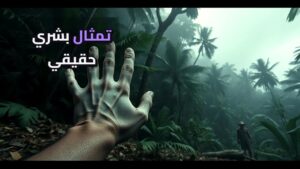
Bullet Ant Ritual: The Sateré-Mawé Rite of Passage

Bullet Ant Ritual: The Sateré-Mawé Rite of Passage
Deep within the Amazon rainforest, the Sateré-Mawé tribe practices one of the most extreme endurance tests in human history. Centered around the bullet ant—an insect with the most painful sting on the planet—this ritual serves as a definitive ‘maker of men,’ transforming boys into warriors through a trial of fire and biological resilience.
Navigate Content
The Anatomy of the Bullet Ant
The bullet ant, or Paraponera clavata, is a formidable creature measuring up to three centimeters. Its jet-black, varnish-like appearance hides a powerful, rigid body. Its sting is globally recognized as the most painful in the insect world, capable of inducing agony that feels like a limb is literally on fire. This creature is not merely an insect to the Sateré-Mawé; it is a sacred tool for testing the limits of human willpower.
Crafting the Reservoir of Pain
The ritual requires meticulous preparation. Men of the tribe venture into the forest to collect the ants, which are then temporarily sedated using natural anesthetic plant extracts. These ants are woven into specially crafted leaf gloves with their stingers facing inward. This process is conducted in absolute silence, as any error in positioning could prove catastrophic for the initiate. For those interested in the psychological toll of extreme environments, see The Struggle for Survival Within Your Mind.
The Ordeal: Dancing Through Fire
When the initiate inserts his hand into the glove, the ants react to the perceived threat by delivering hundreds of stings simultaneously. The resulting pain is immediate and overwhelming. To survive the ordeal, the tribe forces the boy to dance and sing. This serves two purposes:
- Distraction: It keeps the mind focused away from the agony.
- Circulation: Physical movement helps distribute the venom, preventing the boy from losing consciousness.
This ritual is reminiscent of other historical endurance trials, such as The 1904 St. Louis Marathon, where human limits were pushed to the brink.
The Biological Impact of Poneratoxin
The ant’s venom, known as poneratoxin, is a complex neurotoxin. It disrupts the body’s electrical system by keeping sodium channels in the nerves open indefinitely. This results in:
- Unceasing pain signals sent to the brain.
- Temporary paralysis of the limb.
- Hallucinations, cold sweats, and nausea.
The agony lasts for a full day and night, requiring the initiate to master his mind while his body is consumed by the toxin.
Mastery and Steadfastness
To be considered a true warrior, a young man must endure this ritual 20 times over several months or years. The goal is not just to survive the pain, but to maintain absolute control. If the initiate screams or cries, the attempt is void. This pursuit of ‘steadfastness’ is a profound lesson in self-mastery, much like the discipline required in The High-Performer’s Curse.
Frequently Asked Questions
Generated by AI Content Architect
About The Author