
Zouhun: The Mosuo People and the Mystery of Walking Marriage
Zouhun: The Mosuo People and the Mystery of Walking Marriage
In the quiet, mist-covered mountains of southwest China, the Mosuo people practice a social structure that defies global norms. Here, love is not bound by contracts, and the concept of possession is entirely absent. Through the tradition of ‘Zouhun,’ or ‘walking marriage,’ this society offers a fascinating look at how human relationships can thrive without the traditional structures of marriage and shared property.
Navigate Content
The Ritual of the Night
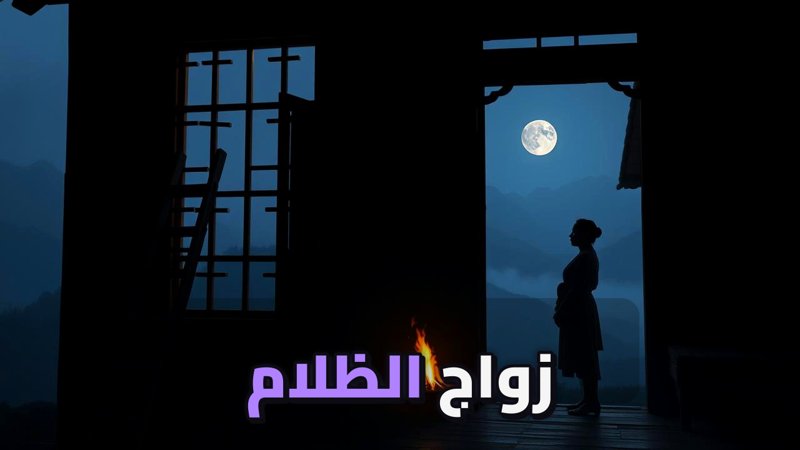
In Mosuo culture, relationships begin in the shadows. A man visits a woman’s home at night, entering through a window with her consent. However, this is not a clandestine affair but a recognized social custom. By dawn, the man must return to his mother’s house. This practice, known as Zouhun, ensures that the couple never shares a household, effectively removing the legal and material entanglements that define modern marriage.
The Matriarchal Hearth
The true center of Mosuo life is the ‘hearth room,’ presided over by the Grandmother. This matrilineal system dictates that:
- Women inherit the land and the home.
- Children carry their mother’s name.
- The family unit is rooted in the maternal bloodline.
This structure creates a cohesive, independent unit that remains stable regardless of the romantic lives of its members, a concept explored further in Tactical Withdrawal: The Psychological Power of Management by Absence.
The Role of the Maternal Uncle
Because fathers do not reside with their biological children, the role of the ‘maternal uncle’ is paramount. A man’s primary responsibility is to his sisters’ children, providing them with financial support, education, and guidance. This arrangement prevents ‘strangers’ from entering the family home, ensuring that the Grandmother’s authority and the family’s land remain intact. It is a unique approach to kinship that prioritizes the stability of the clan over the nuclear family.
Life Without Divorce
In a society where there are no marriage contracts, the concept of divorce is non-existent. Relationships persist only as long as there is mutual desire. When the spark fades, the couple simply stops visiting one another. There are no courts, no alimony, and no disputes over property, as there is no shared home to divide. This simplicity allows for a form of emotional honesty that is rarely seen in cultures burdened by legalistic definitions of love.
Frequently Asked Questions
Generated by AI Content Architect
About The Author