Rongorongo: The Mystery of the Talking Wood Planks of Easter Island
Rongorongo: The Mystery of the Talking Wood Planks of Easter Island
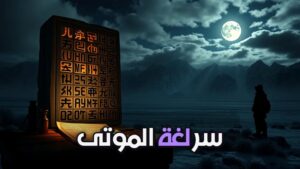
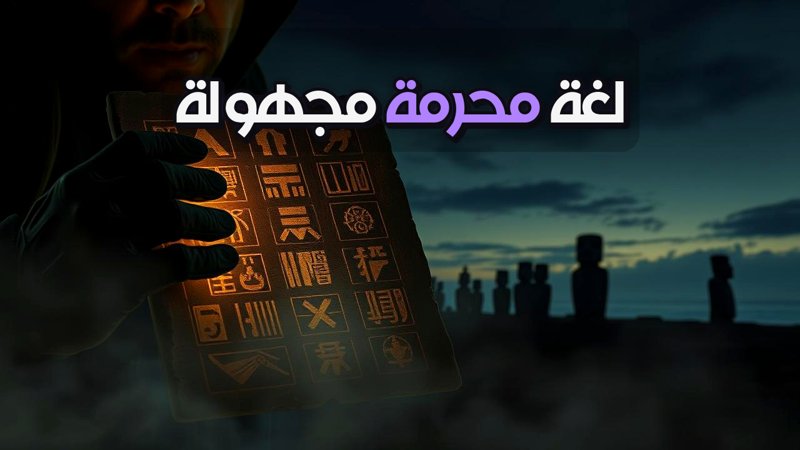
In 1864, French missionary Eugène Eyraud arrived on Rapa Nui to find a society holding the keys to its own history, yet unable to unlock them. The islanders possessed mysterious wooden tablets covered in precise, carved symbols—a language that had developed in total isolation, only to be silenced by a tragic turn of events.
Navigate Content
An Orphan Language in Total Isolation
Rongorongo is considered a unique case in linguistics, often called an ‘orphan language.’ Developed in the middle of the Pacific Ocean without external influence, it defies the standard rules of history which suggest that writing systems are usually transmitted through trade or contact. Much like the mysteries explored in The Nazca Lines, Rongorongo forces us to question the innate capacity of the human mind to innovate complex systems in complete solitude.
The Mechanics of the ‘Talking Wood’
The tablets were not merely read; they were physically experienced. The system, known as reverse boustrophedon, required the reader to:
- Read a line from left to right.
- Rotate the tablet 180 degrees.
- Continue reading the next line in the new orientation.
This physical interaction suggests that the carvings were deeply tied to the rhythm of religious chants, turning the act of reading into a performance.
The Tragic Loss of a Civilization’s Memory
The secret of the tablets was held by a small elite class known as the Tangata Rongorongo. In December 1862, this chain of knowledge was shattered when slave traders from Peru raided the island, kidnapping 1,500 people, including the King and the educated priests. With the death or enslavement of these individuals, the ability to decipher the ‘talking wood’ vanished, leaving behind silent artifacts that continue to baffle modern linguists and AI researchers.
Scientific Debate: Language or Mnemonic Device?
To this day, there is no consensus on the nature of these symbols. Two primary theories dominate the field:
- True Writing: Each symbol represents a specific sound or sentence, functioning like a standard language.
- Mnemonic Devices: The symbols are pictograms designed to help priests recall long, memorized religious chants.
Regardless of the classification, the precision of the carvings—executed with shark teeth and obsidian—points to a highly sophisticated culture.
Frequently Asked Questions
Generated by AI Content Architect
About The Author