Bikini Atoll: The Tragic History of the Castle Bravo Nuclear Tests
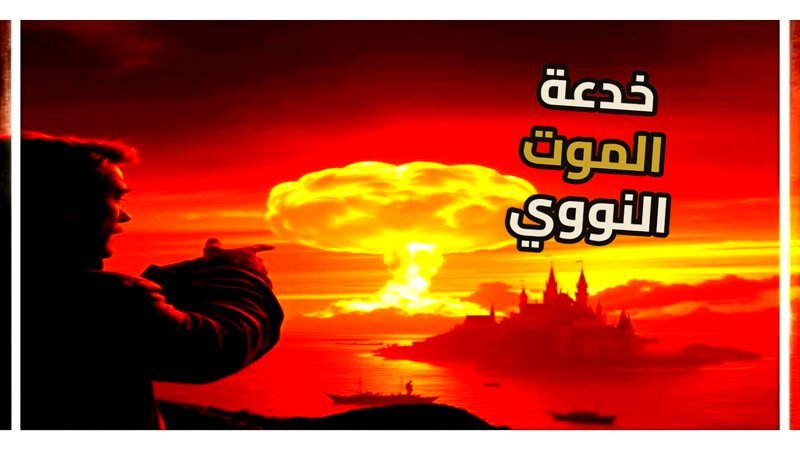
Bikini Atoll: The Tragic History of the Castle Bravo Nuclear Tests
In 1946, the inhabitants of Bikini Atoll were promised a temporary relocation for the sake of ‘world peace.’ What followed was a series of catastrophic nuclear tests that permanently altered their home and subjected an entire population to the horrors of radiation, mirroring the dark themes of human exploitation found in The Persian Boat: The Most Gruesome Torture Method in History.
Navigate Content
The Deception of the Islanders
The displacement of the 167 Bikini Atoll residents was orchestrated through a calculated appeal to their religious faith. Commodore Ben Wyatt convinced King Juda that their sacrifice was necessary for the ‘good of all mankind.’ The islanders, who had no concept of nuclear physics, left their homes singing hymns, believing their departure was a short-term mission to end all wars.
Castle Bravo: The Physics Error That Changed Everything
On March 1, 1954, the U.S. military conducted the ‘Castle Bravo’ test. Due to a critical miscalculation regarding the Lithium-7 isotope, the explosion was three times more powerful than predicted: 15 megatons. The consequences were devastating:
- The fireball reached 7 kilometers in width.
- Small islands were completely vaporized.
- Radioactive fallout rained down on neighboring islands as a fine, white powder.
Project 4.1: Humans as Laboratory Subjects
Following the fallout, the U.S. military launched ‘Project 4.1.’ Rather than providing immediate medical aid to the exposed residents of Rongelap and Utirik, the military treated the victims as subjects for a long-term study on radiation effects. This cold, detached approach to human suffering is a stark reminder of how authority can override ethics, much like the themes explored in The Strategy of Feigned Ignorance: How the Intelligent Evade Legal Responsibility.
The Legacy of Contamination
The tragedy did not end with the tests. Despite being declared ‘safe’ in 1968, subsequent testing revealed that the land and the people remained heavily contaminated with Cesium-137. The dream of returning to their ancestral home was shattered by the reality of a radioactive environment that rendered the islands uninhabitable for generations.
Frequently Asked Questions
Generated by AI Content Architect
About The Author