
Pumapunku: Decoding the Engineering Secrets of Ancient Tiwanaku
Pumapunku: Decoding the Engineering Secrets of Ancient Tiwanaku
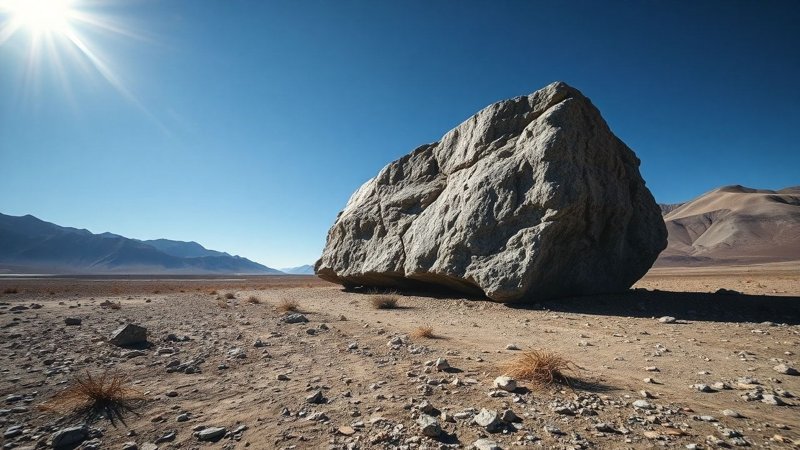
In the high-altitude landscapes of Bolivia, the monoliths of Pumapunku stand as a challenge to modern perceptions of history. While many look toward the supernatural to explain the site’s millimeter-accurate stones, the true story is one of profound human intellect, advanced material physics, and a lost mastery of mechanical engineering that allowed the Tiwanaku civilization to shape volcanic rock as if it were soft dough.
Navigate Content
The Enigma of Andesite Precision
Pumapunku features massive andesite monoliths weighing over 100 tons, cut with 90-degree angles accurate to the millimeter. Unlike other ancient sites, the builders lacked iron, relying instead on a sophisticated understanding of biomechanics and material properties. They successfully turned simple tools into precision instruments to master one of the hardest volcanic stones on Earth.
The Technology of Friction and Sand
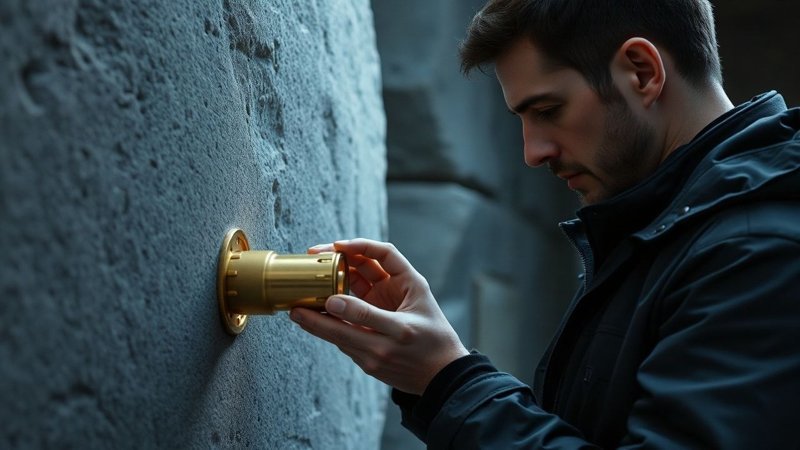
How did they cut through stone harder than granite? The secret was not superior metal, but the application of abrasive physics:
- Copper drills served as carriers for wet, fine quartz sand.
- The sand acted as the actual ‘teeth’ cutting into the stone.
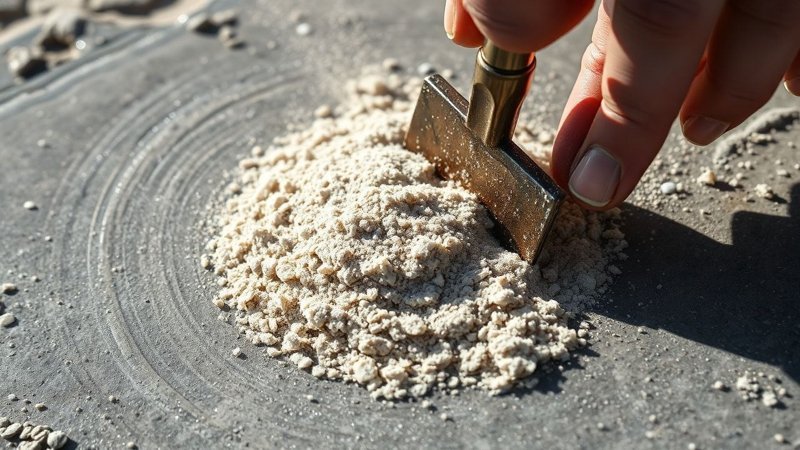
- Constant circular motion and pressure allowed the abrasive grains to erode the andesite with surgical precision.
This method, combined with stone powder polishing, resulted in mirror-smooth surfaces that defy the capabilities of primitive bronze-age expectations.
Prefabrication and Structural Interlocking
The Tiwanaku were not just stonemasons; they were mechanical engineers. They treated the construction site as a production line, creating standardized ‘Lego bricks’ with complex T-shaped and I-shaped indentations. This modular approach allowed for: Flawless mechanical locking of stones, the use of liquid bronze to bind components, and a building design inherently resistant to the seismic activity of the Andes mountains.
Learning from Lost Engineering
We often dismiss the past as ‘primitive’ simply because they lacked our specific electronic tools. However, Pumapunku stands as a testament to the fact that power does not reside in the metal, but in the mind. Much like the architectural feats found at The Secret of Great Zimbabwe or the hidden depths of Derinkuyu, Pumapunku proves that ancient civilizations operated with an advanced grasp of physics, patience, and logic that we are only just beginning to rediscover.
Frequently Asked Questions
Generated by AI Content Architect
About The Author