The Timbuktu Manuscripts: Africa’s Secret Archive of Lost Science
The Timbuktu Manuscripts: Africa’s Secret Archive of Lost Science
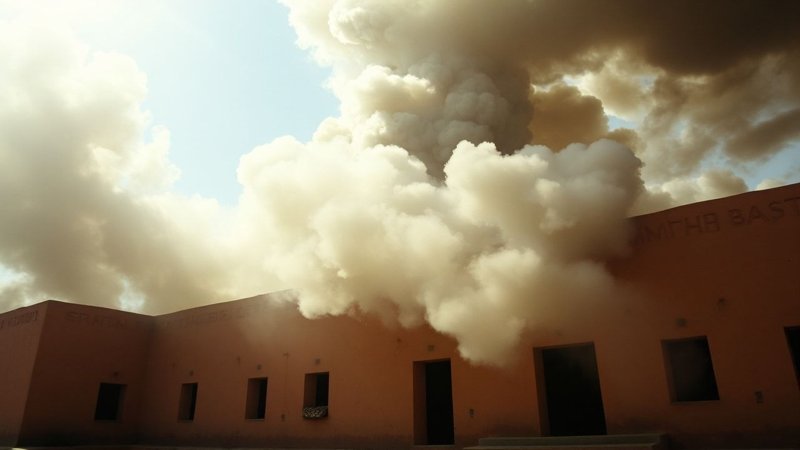
Smoke filled the sky above the Ahmed Baba Institute, signaling an attempt to erase a civilization. Yet, beneath the chaos of conflict, a silent, centuries-old resistance was already unfolding. While extremists burned empty shelves, the true wealth of Timbuktu—hundreds of thousands of manuscripts detailing advanced science and medicine—had already vanished into the desert, protected by a secret covenant.
Navigate Content
Timbuktu: The Silicon Valley of the Middle Ages
Long before global perceptions were skewed by colonial narratives, Timbuktu served as a beacon of intellectual advancement. In a city where books were more valuable than gold, scholars pushed the boundaries of human knowledge.
- Mapped complex planetary movements
- Performed advanced ocular surgeries
- Engineered solutions for environmental challenges
This era of enlightenment mirrors the mysteries found in other ancient sites, such as the architecture in The Secret of Great Zimbabwe.
The Social Encryption System
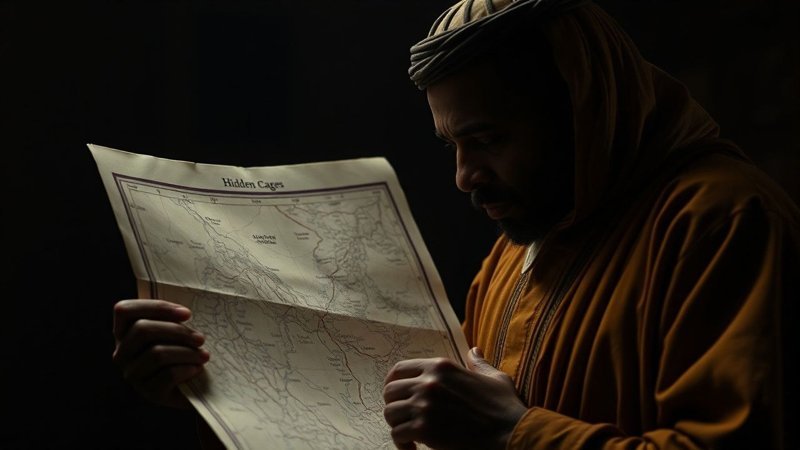
To prevent the erasure of their history, Timbuktu families developed a genius form of protection. Manuscripts were not kept in vulnerable public libraries but were distributed, encrypted, and hidden in plain sight. They were stashed in iron trunks beneath bedroom floors, salt caves, or goatskin-wrapped bundles inside dried-up wells. This decentralized preservation strategy ensured that even if one cache was discovered, the collective memory of the continent survived.
Science in the Shadows
The recovered manuscripts contain evidence of medical and astronomical prowess that rivals the Italian Renaissance. For example, specific texts detail how to perform surgery for cataracts with surgical precision—a testament to a society that was anything but ‘nomadic’ or ‘ignorant.’ This hidden scientific archive challenges the historical record, much like the debate surrounding ancient technology found in The Delhi Iron Pillar: Ancient Technology or Lost Science?

The Great Escape and the Covenant
In 2012, as armed groups threatened to destroy the remaining archives, Abdel Kader Haidara led a daring mission to rescue over 350,000 manuscripts. This was not just a logistical feat; it was a covenant—a solemn promise passed from generation to generation to protect the knowledge that defines their ancestry. It serves as a stark reminder of how easily history can be manipulated, similar to the political erasure seen in The Cursed Pharaoh: Why History Tried to Erase Akhenaten.
Frequently Asked Questions
Generated by AI Content Architect
About The Author