Timbuktu Manuscripts: The Secret History of Africa’s Lost Knowledge
Timbuktu Manuscripts: The Secret History of Africa’s Lost Knowledge
When smoke blanketed the Ahmed Baba Institute, the world believed Africa’s history was turning to ash. However, this was merely a distraction. Behind the scenes, a clandestine operation was underway to preserve thousands of ancient texts that prove Africa was once the true center of global knowledge. This is the story of the Timbuktu Manuscripts and the fight to keep them from oblivion.
Navigate Content
Timbuktu: The Silicon Valley of the Middle Ages
Long before the digital age, Timbuktu served as the intellectual hub of the world. In this era, books were considered more valuable than gold.
- Scholars gathered to study advanced mathematics and astronomy.
- The city functioned as a massive exporter of knowledge to the North.
- Manuscripts detailed complex medical procedures, including precise eye surgeries.
The Social Encryption System
To protect their heritage from colonial forces and extremists, families developed a sophisticated ‘social encryption system.’ Instead of relying on public libraries, they turned their homes into fortresses of knowledge. Key preservation methods included:
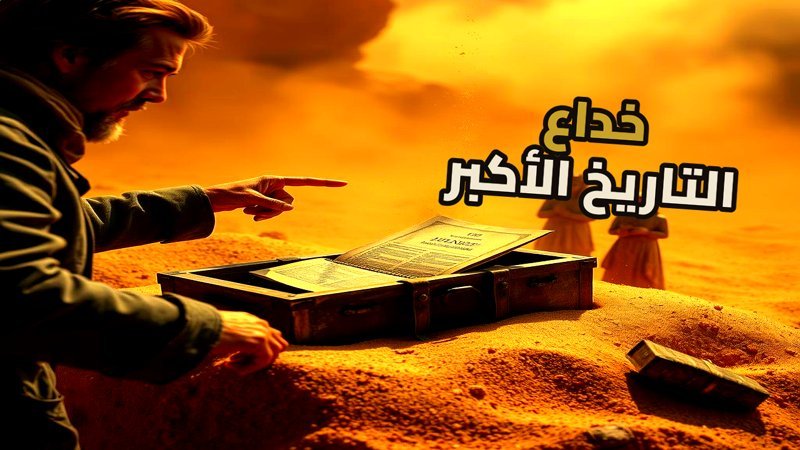
- Burying iron chests beneath bedroom floors.
- Hiding scrolls in remote salt caves.
- Stashing documents at the bottom of dry, forgotten wells.
The 2012 Midnight Rescue Mission
When conflict threatened to destroy the remaining archives, a heroic, covert operation was launched. Smugglers risked their lives to transport 350,000 manuscripts in ordinary suitcases through deadly ambushes. This mission ensured that the intellectual legacy of the continent survived, much like the ancient mysteries explored in The Secret of Great Zimbabwe.
What Lies Beneath the Surface?
The most intriguing question remains: what secrets are still buried in private chests? As researchers continue to decode these texts, we are forced to rewrite our understanding of human history. Much like the enigmas found in The Delhi Iron Pillar, these manuscripts challenge the narrative that scientific advancement was exclusive to the West.
Frequently Asked Questions
Generated by AI Content Architect
About The Author