The Dark Truth of the Rosetta Stone: A Document of Political Surrender
The Dark Truth of the Rosetta Stone: A Document of Political Surrender
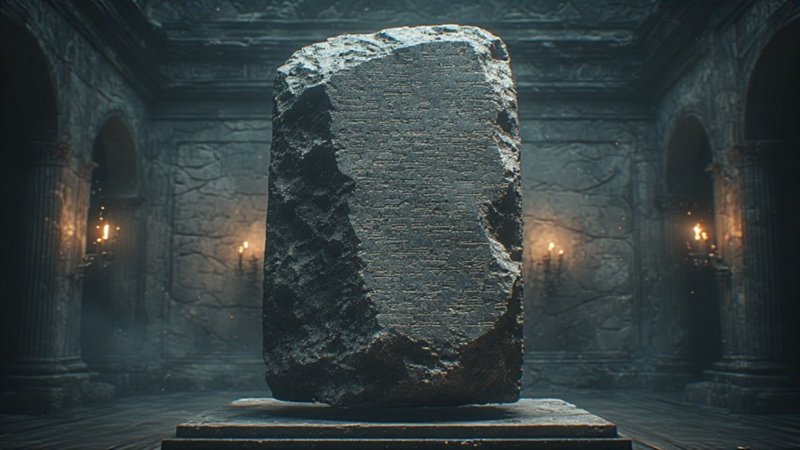
For centuries, the Rosetta Stone has been hailed as the ultimate key to deciphering ancient hieroglyphs. However, beneath its scientific significance lies a far more unsettling reality: it was a monument to political weakness, a desperate bribe, and a document of surrender carved in stone to save a crumbling throne.
Navigate Content
A Throne Under Fire
In 196 BC, Egypt was a powder keg. The Ptolemaic dynasty—foreign Greeks ruling over a resentful Egyptian populace—faced violent uprisings that threatened their very survival. King Ptolemy V, an orphaned youth, sat upon a throne trembling above this ‘volcano of popular rage.’ Unlike the pharaohs of old, he lacked the mandate of heaven, finding himself a stranger in a land that viewed him as an occupier.
Buying Legitimacy: The Priestly Deal
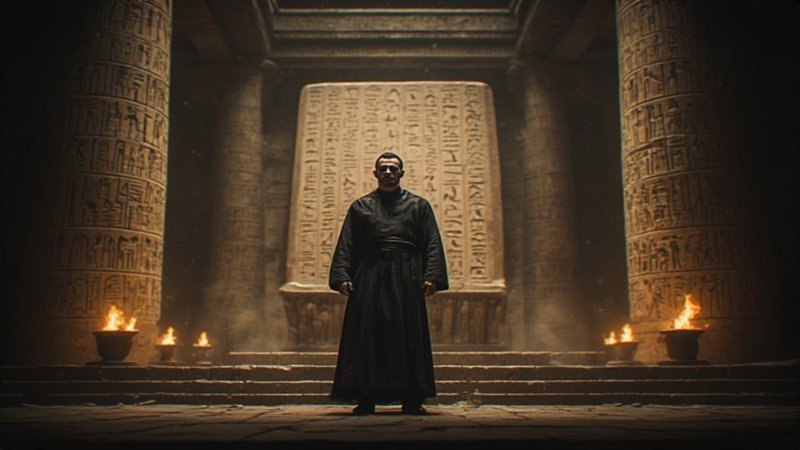
To maintain order, the Ptolemaic regime made a pact with the most influential power brokers of the era: the temple priests. The Rosetta Stone decree was the physical manifestation of this negotiation. It offered:
- Massive financial concessions
- Generous tax exemptions
- Special protection for temple assets
In exchange, the priests provided the one thing the King could not manufacture: legitimacy. They proclaimed him the rightful heir of the pharaohs and the ‘son of Ra’ to pacify the masses.
The Geometry of Control
The multilingual nature of the stone—Hieroglyphic, Demotic, and Greek—was not a gift to future linguists, but a tactical necessity of the time. By embedding the decree in the sacred language of the priests, the administrative tongue of the state, and the language of the rulers, the King ensured his ‘deal’ was broadcast to every stratum of society. It was a masterpiece of propaganda, much like the psychological manipulation we see used by leaders today to manufacture consent.
Historical Parallels and Power
The Rosetta Stone reveals that power is often a hollow facade supported by transactional agreements. Just as empires throughout history have used wealth to suppress dissent, Ptolemy V used the national treasury to buy his own survival. This pattern of ‘interests over justice’ is a recurring theme in human governance, echoing the same strategic maneuvers found in other pivotal moments, such as the Minoan collapse or the complex rise of ancient states like Uruk.
Frequently Asked Questions
Generated by AI Content Architect
About The Author